
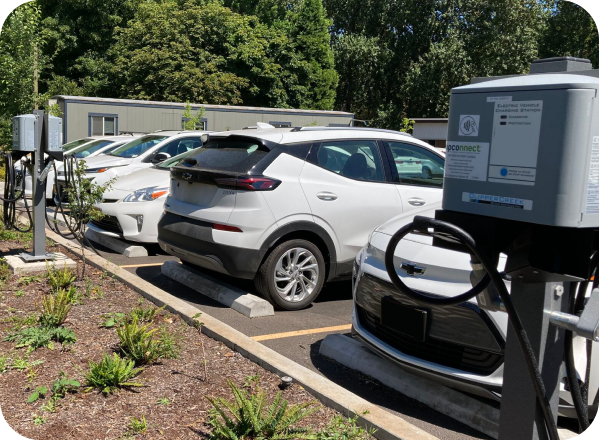
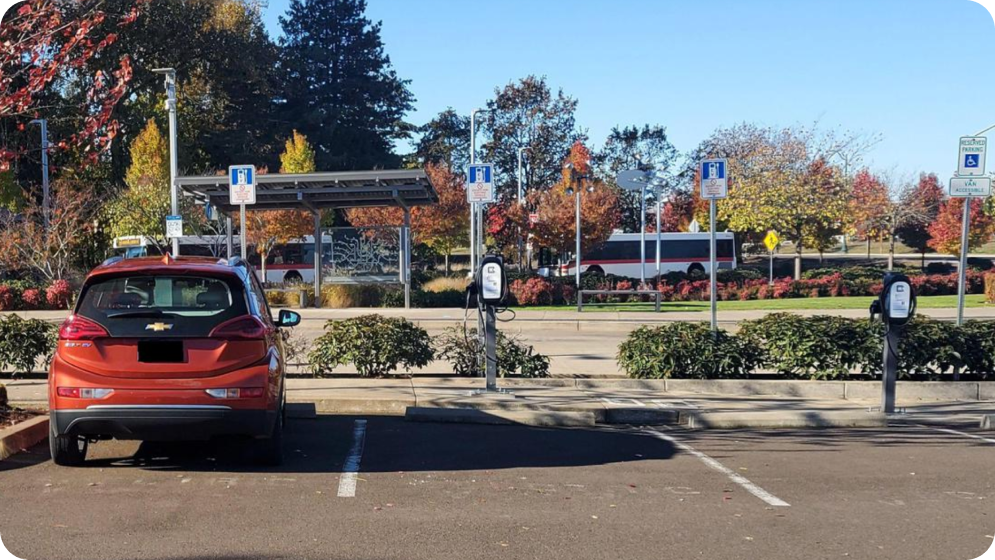
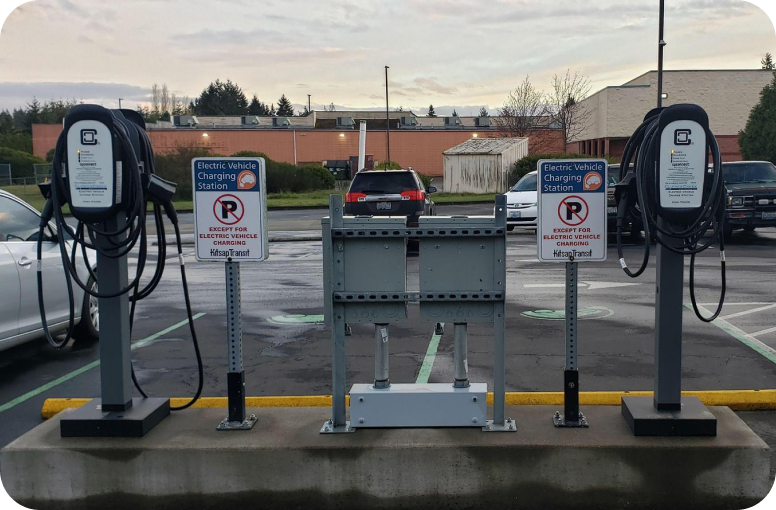
For most fleets, the move to electric doesn’t happen overnight. Gas and diesel vehicles keep running routes while the first electric vehicles arrive, and the yard where all of them park becomes a work site while charging is installed. Your operation can’t pause while that happens. Vehicles still need to leave on time, drivers still need to know where to park, and service still has to go out the door.
Here’s how to keep a mixed fleet running smoothly during installation, so the project feels like progress rather than disruption.
Accept That Mixed Is the Normal State
A mixed fleet isn’t a temporary inconvenience to rush through. For many organizations, it’s how the fleet will look for years. Automotive Fleet’s coverage of a global fleet survey found operators see mixed-energy operations as a gradual shift, with 78% already charging on site and many still running gas and diesel alongside electric vehicles.
That mindset matters during installation. Instead of planning around a single switchover date, plan for a period where both vehicle types share the same space, schedules, and staff. It makes every other decision easier.
Plan Construction Around Your Operating Hours
The biggest risk during installation is work that collides with daily operations. Before work starts, map out when your yard is busiest and when it’s quiet:
- When do vehicles leave in the morning, and when do they return?
- Which areas of the lot are needed for fueling, loading, or maintenance?
- Are there shifts or days when fewer vehicles are on site?
With that picture, installation can be phased so active work zones stay out of the way of your busiest traffic. Staging areas, temporary parking, and clear paths for vehicles matter as much as the electrical work itself. We design and install charging with your operation in mind, so the construction plan works around your schedule rather than the other way around.
Related: What to Know Before Opening Workplace Charging to Visitors
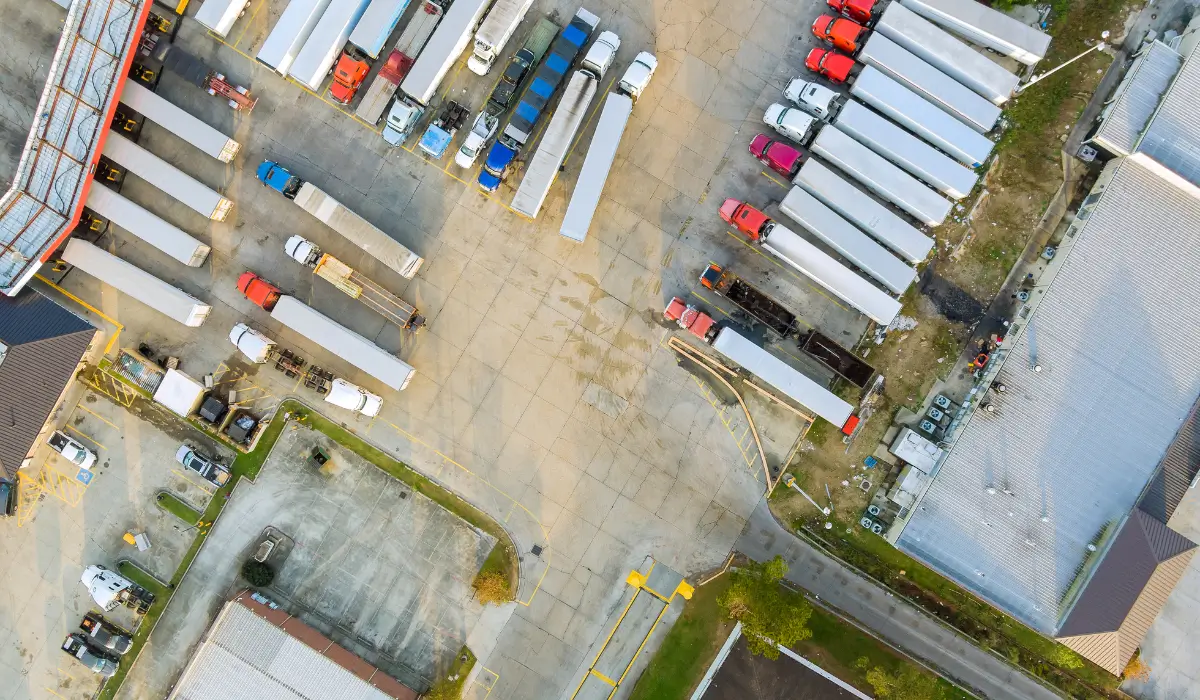
Keep Gas and Diesel Vehicles Moving Freely
During installation, your conventional vehicles are still doing most of the work. Make sure they don’t get squeezed out:
- Keep fueling access clear and unobstructed
- Protect maintenance bays and loading areas from construction traffic
- Mark any temporarily relocated parking clearly so drivers aren’t guessing
A short walk-through with supervisors before each phase helps catch problems early. If a parking change is coming, tell drivers before they show up to find their usual spot blocked off.
Assign Electric Vehicles to the Right Work
When charging is limited during installation, route assignment becomes even more important. HERE Technologies’ guidance on mixed fleet planning recommends matching vehicles to jobs, giving electric vehicles shorter routes with reliable access to charging and keeping longer or less predictable routes on conventional vehicles. It also recommends planning both vehicle types together as one dispatch problem rather than treating electric vehicles as an add-on.
In practice, that might mean:
- Putting electric vehicles on the most predictable routes first
- Aligning charging with natural downtime, such as shift changes or driver breaks
- Keeping a conventional vehicle available as a backup for any route that’s at risk
As more chargers come online, you can widen the range of work electric vehicles take on.
Bring Chargers Online in Phases
You don’t have to wait for the entire project to finish before using any of it. When installation is planned in phases, early chargers can start serving vehicles while later sections are still under construction. That gives drivers time to build habits on a smaller scale and gives your team a chance to work through any operational questions before the full site goes live.
Each phase is also a chance to learn. Watch how vehicles actually charge, which time windows get crowded, and where the layout works or doesn’t. Those lessons can shape the next phase.
Related: How to Phase Your Charging Buildout as Your Fleet Grows
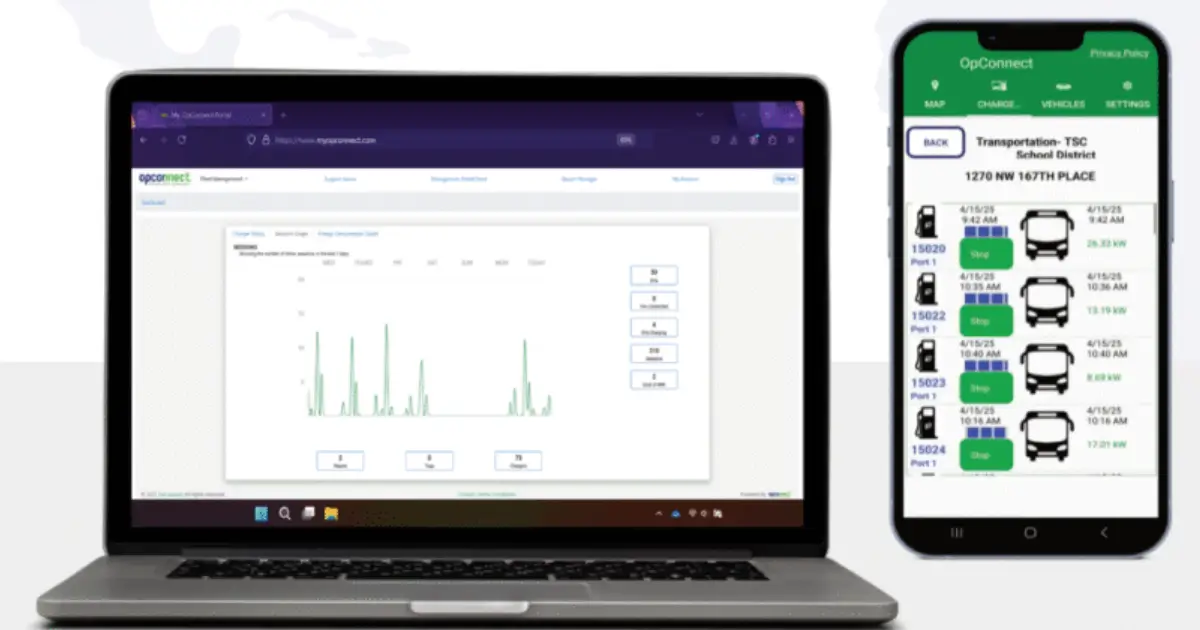
Pull Your Data Into One View
Running two vehicle types side by side creates data headaches. The same Automotive Fleet survey found 58% of fleets struggle with route planning, 49% with data collection, and 40% with integrating fleet management software across gas and electric vehicles.
Charging data shouldn’t add to that problem. Our EV charging management software gives you real-time visibility into charger status, usage, and performance across every site, along with an API for sharing charging data with the other systems you use. That makes it easier to see which electric vehicles are ready while the rest of the fleet keeps running.
Train Drivers Before Chargers Go Live
Drivers who’ve only fueled gas vehicles need a little preparation. Before chargers are energized, walk them through where to park, how to start a session, what to do if something doesn’t work, and who to contact. A short hands-on session at the charger is often more useful than written instructions.
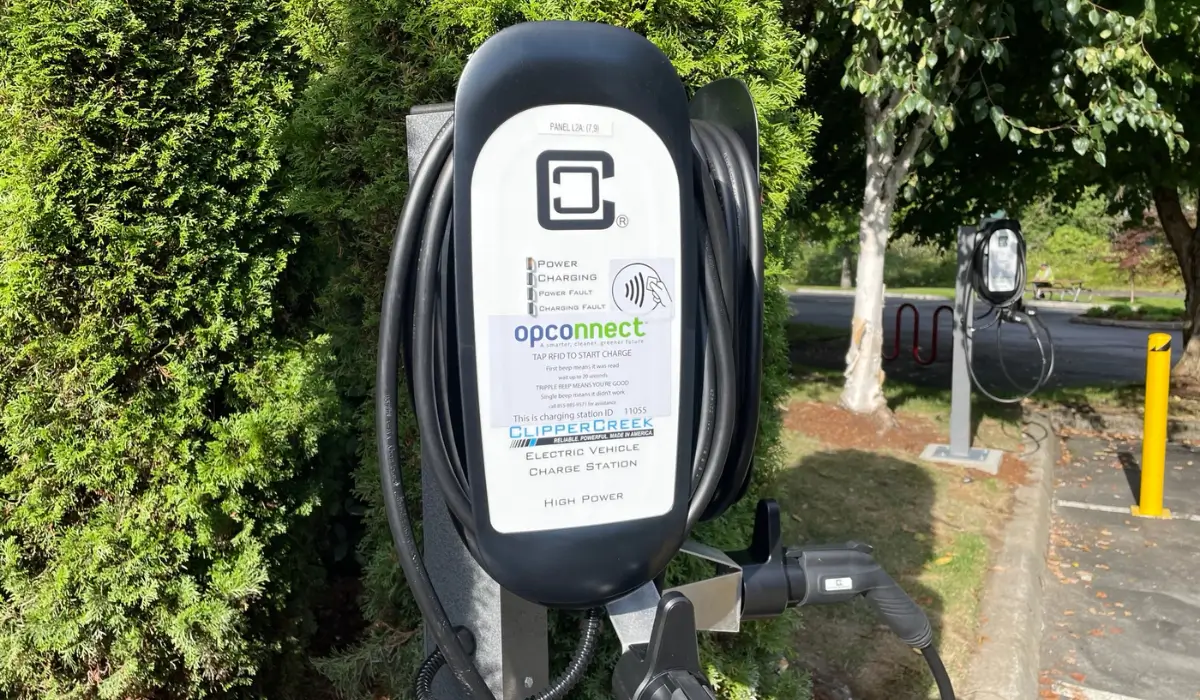
Reliability supports that confidence. Our hardware is built in Portland, Oregon, and backed by 98% hardware uptime on our chargers, 99.95% server uptime on our software, and 24/7 support and monitoring. When chargers work consistently from day one, drivers trust them, and the transition gets easier.
Related: How to Keep Charging Running When Your Fleet Grows Faster Than Planned
Keep the Operation Running Through Every Phase
Installing charging at an active site takes coordination, but it doesn’t have to slow your fleet down. Plan construction around your hours, protect your conventional operations, put electric vehicles on the work that fits them, and bring chargers online as each phase is ready.
We design, install, support, and maintain EV fleet charging for public agencies, commercial fleets, and other EV charging for businesses, with one team accountable from the first site visit through daily operation. If you’re planning a commercial EV charging installation at an active site, talk with our fleet team about keeping your operation moving. You can also explore our fleet charging solutions.
Sources & Further Reading:
- Automotive Fleet — Mixed-Energy Fleets on the Rise, Survey Reveals Widespread Electrification Goals: https://www.automotive-fleet.com/news/mixed-energy-fleets-on-the-rise-survey-reveals-widespread-electrification-goals
- HERE Technologies — Mixed Fleets Are the New Normal. Current Fleet Planning Isn’t: https://www.here.com/learn/blog/mixed-ev-fleet-planning