
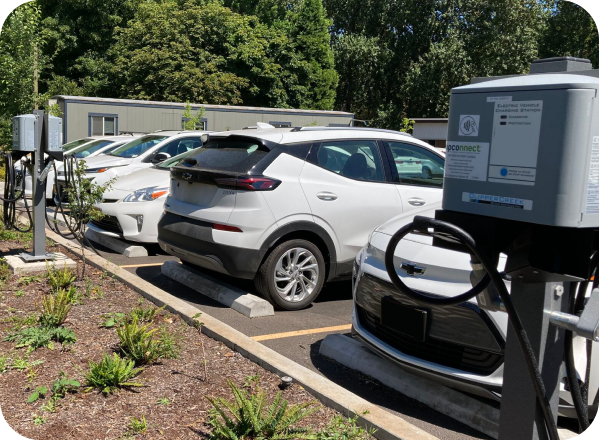
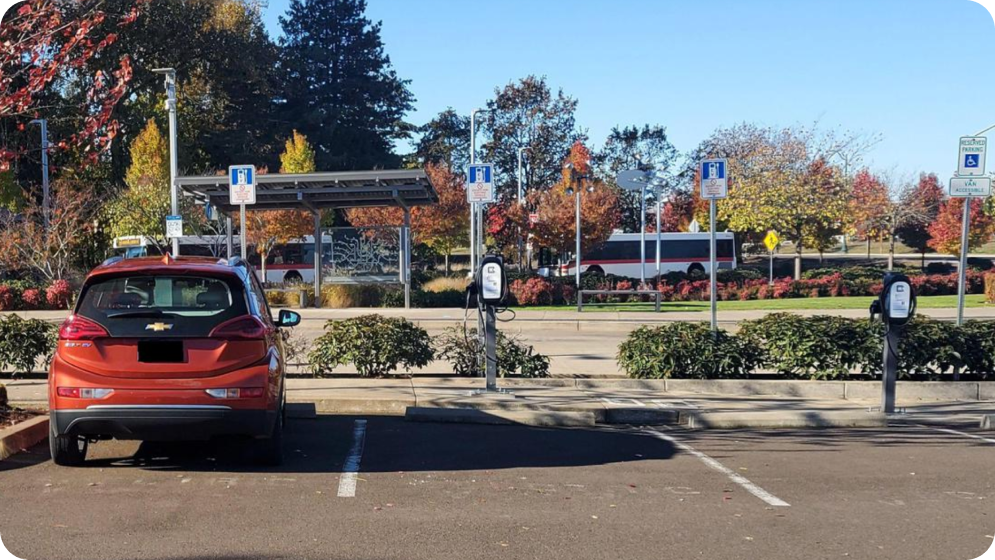
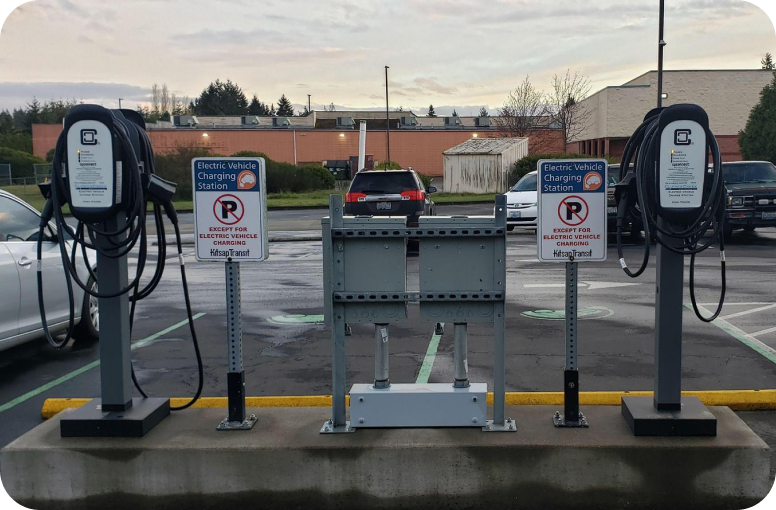
Most fleet electrification plans assume a steady pace. You’ll add a few vehicles this year, a few more next year, and charging grows alongside them. Then a route expands, a department wants in early, or a new contract lands, and suddenly there are more electric vehicles in the yard than the charging plan was built for.
That’s a good problem to have, but it’s still a problem. When vehicle growth outpaces infrastructure, the risk isn’t just inconvenience. It’s vehicles that don’t leave on time, drivers who lose confidence in the program, and pressure to slow down a transition that was working. Here’s how we help fleets keep charging running when growth arrives ahead of schedule.
Why Fleets Outgrow Their Charging Plans
Vehicle decisions and infrastructure decisions often move at different speeds. A fleet can approve new vehicles relatively quickly, while site work, electrical capacity, and equipment take longer to line up. Geotab’s fleet transition guide points out that charging infrastructure planning is often the longest lead-time item in an electrification plan, because site and electrical work can take months.
Equipment availability adds another layer. In a Government Fleet profile of UCLA’s electrification effort, the article notes that planning has to account for equipment taking time to arrive, which can create backlogs. When vehicles show up before the charging that’s meant to support them, the gap lands on daily operations.
Start With What You Already Have
The first move isn’t usually more hardware. It’s getting more out of the chargers you already own. Many fleets find their existing equipment has more room than they thought once they look at how it’s actually being used.
That starts with visibility. EV charging management software gives you real-time insight into charger status, usage, and performance in one place. With that data, you can see which units sit idle for long stretches, which vehicles charge longer than they need to, and where sessions bunch up at the same time each day.
From there, a few practical adjustments can create breathing room:
- Stagger charging start times so vehicles don’t all plug in the moment they return.
- Prioritize vehicles by next departure, so the vehicles leaving first get attention first.
- Rotate vehicles through shared chargers when dwell time allows more than one session per unit.
- Use load management to spread available energy across more vehicles rather than letting demand spike all at once.
None of this replaces adding capacity when you truly need it. It buys time to add it the right way instead of in a rush.
Related: What to Tell Prospective Renters About EV Charging

Keep Every Charger You Have Online
When the fleet is growing faster than charging, every charger matters more. A single unit going down at a site that’s already stretched can push vehicles past their departure windows.
This is where reliability stops being a spec sheet number and becomes an operational necessity. Our hardware is built in Portland, Oregon, and it’s backed by 98% hardware uptime on our chargers, 99.95% server uptime on our software, and 24/7 support and monitoring. Proactive monitoring, preventive maintenance, and remote diagnostics help catch and resolve issues quickly so chargers stay in service.
For a growing fleet, that reliability protects the margin you’re working with. You can’t plan around capacity you can’t count on.
Build a Plan for the Next Phase Now
Once the immediate pressure is handled, use what you’ve learned to plan the next phase. Geotab’s guidance recommends scaling with real fleet data rather than estimates, using ongoing monitoring of charging patterns, vehicle utilization, and energy use to decide which vehicles and locations are ready to expand.
That’s exactly the data a fast-growing fleet already has. You now know your real peak demand, which vehicles need the most charging time, and which sites are under the most strain. That makes your next round of commercial EV charging installation far more precise than a plan built on assumptions.
A few questions worth answering as you plan:
- Which sites are closest to their limit, and which still have room?
- Which vehicle groups are growing fastest?
- Where would additional chargers relieve the most pressure?
- What’s the realistic timeline for site work at each location?
Related: How to Phase Your Charging Buildout as Your Fleet Grows
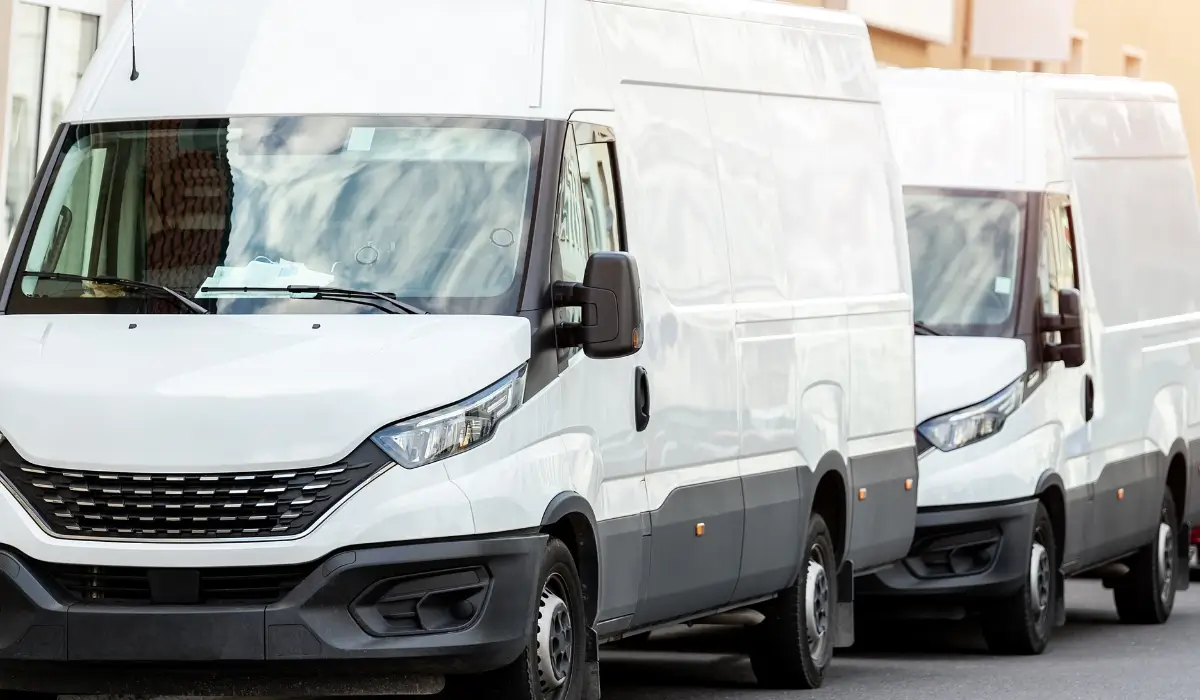
Don’t Rely on Public Charging to Fill the Gap
When charging runs short, it’s tempting to send vehicles to nearby public stations. That can help in a pinch, but it isn’t a strategy. UCLA’s fleet director made this point directly, saying fleets can’t count on nearby commercial chargers and likely need chargers dedicated to their own operation.
Public stations aren’t scheduled around your routes, and you don’t control their availability. For EV fleet charging that your operations depend on, dedicated infrastructure that you can monitor and manage is what keeps vehicles moving.
Related: Why Charger Reliability Matters More Than Anything Else
Treat Growth as a Signal, Not a Setback
A fleet that grows faster than planned is usually a fleet where electrification is working. Drivers trust the vehicles, departments want more of them, and the program has momentum. The goal is to keep that momentum without letting charging become the bottleneck.
That takes three things working together: reliable equipment that stays online, software that shows you exactly how your chargers are being used, and a team that can help you plan and install the next phase when you’re ready. We design, install, support, and maintain charging for fleets so growth doesn’t catch you flat-footed.
If your fleet is growing faster than your charging plan, talk with our fleet team about getting more from your current setup and planning what comes next. You can also learn more about our approach to EV charging for businesses and fleets.
Sources & Further Reading:
- Geotab — EV Fleet Transition: How to Plan a Successful Fleet Electrification Strategy: https://www.geotab.com/blog/ev-fleet-transition/
- Government Fleet — Scaling EV Infrastructure: UCLA’s Blueprint for Institutional Fleets: https://www.government-fleet.com/news/scaling-ev-infrastructure-uclas-blueprint-for-institutional-fleets