
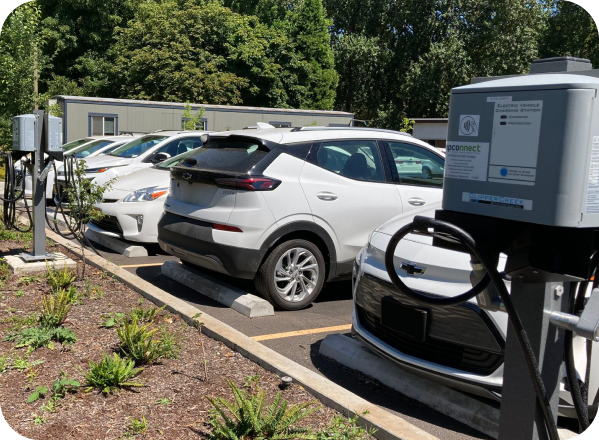
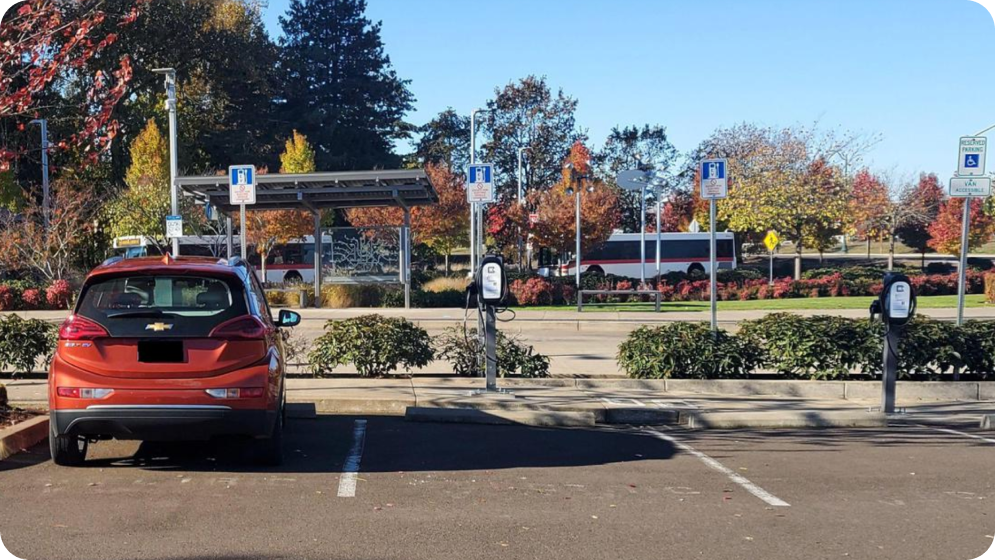
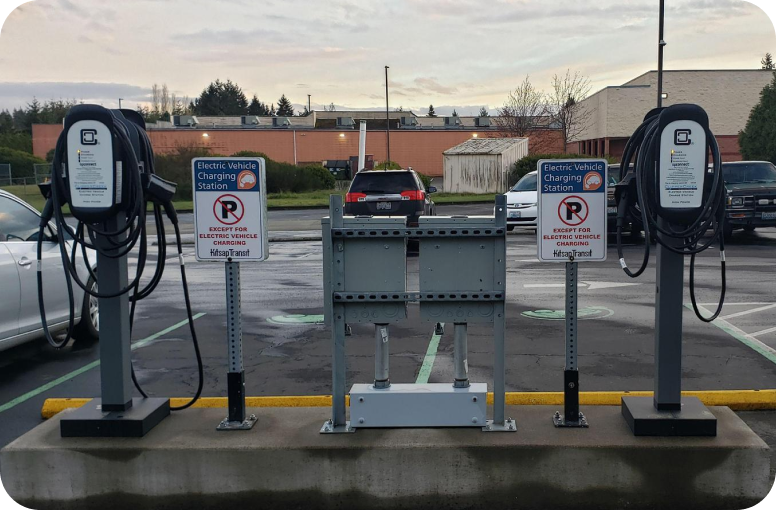
Adding EV charging is a big decision, and it shouldn’t start with hardware. It starts with your goals. Whether you manage a delivery fleet, a municipal motor pool, or a school district’s bus yard, the real question isn’t whether to electrify. It’s where electrification actually supports what your organization is trying to accomplish.Interest is clearly growing. A Cox Automotive survey reported by Trellis found that 87% of fleet owners expect to add EVs over the next five years, and 90% of those already running EVs plan to buy more. But interest isn’t the same as fit. Here’s how we help organizations figure out whether EV charging for businesses makes sense for them, and where to begin.
Start With Your Goals, Not the Charger
Before you look at sites or equipment, get clear on what you want electrification to do for you. Common goals include:
- Operational reliability: keeping vehicles ready for every shift and route.
- Sustainability commitments: meeting emissions targets your leadership, customers, or community care about.
- Operational control: having clearer visibility into energy use and vehicle readiness.
- Long-term planning: building infrastructure now that can grow as your fleet changes.
Rank these for your organization. If reliability sits at the top, that should shape every decision that follows, from site design to who supports your chargers after installation.
Look at How Your Vehicles Actually Operate
Your fleet’s day-to-day patterns tell you more than any general trend. Telematics, fuel card records, and driver logs can show which vehicles run predictable routes and how they’re used. According to Geotab’s fleet transition guide, the strongest early candidates are typically return-to-base fleets with predictable routes and light-duty vehicles. The same guide points out that vehicles nearing the end of their replacement cycle are natural candidates, since you’ll be making a purchase decision anyway.
If a good share of your fleet heads out in the morning and comes back to the same yard at night, that’s a strong sign EV fleet charging could fit your operation.
Related: What School Districts Consider Before Their First Electric Bus Charging Project
Consider Where and When Vehicles Park
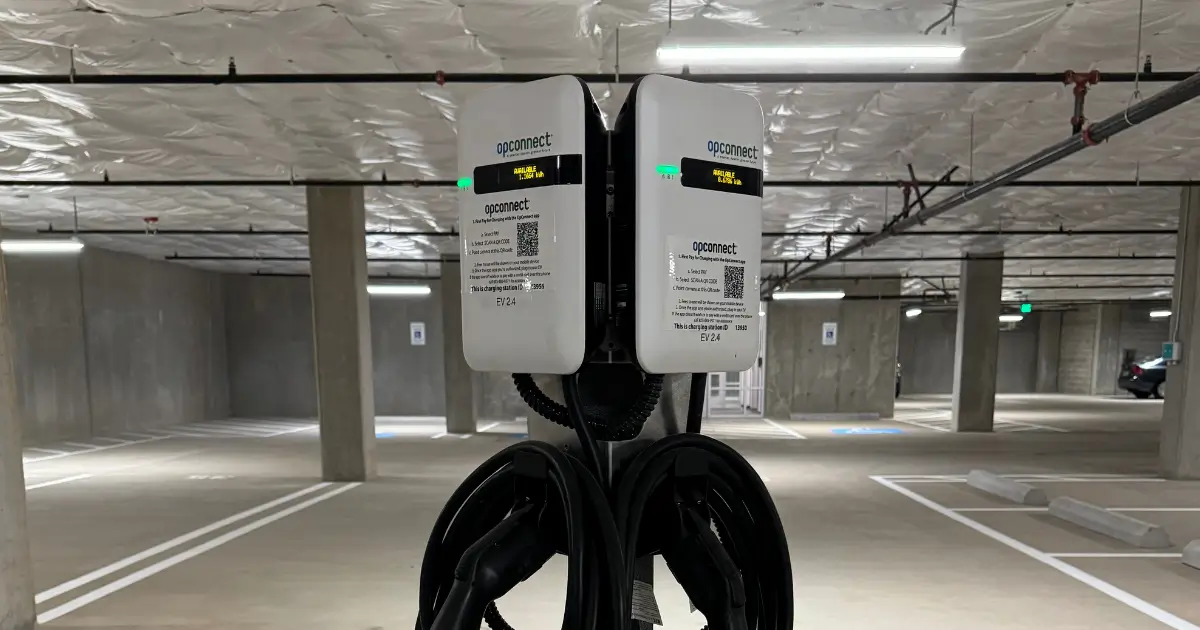
Charging works best when it fits into the time your vehicles already spend parked. A bus yard, a delivery depot, or a public works facility where vehicles sit overnight gives you a natural charging window without disrupting service. Think through which locations your vehicles return to, how long they stay, and whether that space can support charging as your fleet grows.
Plan for Infrastructure Lead Time
Geotab’s guide also notes that charging infrastructure planning, including site assessment and utility coordination, is often the longest lead-time item in a transition plan. That’s why it’s worth starting the conversation early, even if your first EVs are still a budget cycle away. Commercial EV charging installation goes smoother when site planning happens alongside vehicle planning, not after it.
Ask How Much Downtime Your Operation Can Tolerate
This is the question many organizations skip. If a charger goes down overnight, a vehicle may not be ready for its morning route. For a transit agency, a school district, or a delivery operation, that’s a service problem, not just a maintenance ticket.
That’s why reliability is at the center of everything we do. Our hardware is built in Portland, Oregon, and we deliver 99.95% charger uptime backed by 24/7 support and monitoring. If your goals depend on vehicles being ready every day, uptime should weigh heavily in how you choose a charging partner.
Related: What Changes for a Business After Chargers Go In

Make Sure You’ll Have Visibility
Once chargers are installed, you’ll need a clear view of how they’re performing. Good EV charging management software lets your team track usage, manage access, and pull the reports you need, with real-time visibility into every charger across every site. That visibility helps you confirm your charging program is supporting the goals you set at the start.
Start Small, Then Scale
You don’t have to electrify everything at once. Geotab recommends phased rollouts that begin with a small pilot group, which reduces risk and gives you real performance data before scaling. A pilot on a handful of predictable routes can show you what works at your sites and build confidence with drivers and leadership.
Signs EV Charging Is a Good Fit
EV charging is likely a strong match for your business if:
- Many of your vehicles return to a central location at the end of the day.
- Routes are predictable and repeat from day to day.
- Some vehicles are approaching replacement.
- Reliability and vehicle readiness are top priorities.
- You want a single partner accountable for the full lifecycle of your chargers.
Related: What to Look for in an EV Charging Partner

Talk It Through With a Partner Who Owns the Whole Process
Figuring out fit is easier when you’re working with a team that sees the full picture. At OpConnect, we design, install, support, and maintain charging infrastructure for fleets, workplaces, and communities, so you’re not piecing together separate vendors for each stage. You can find more guidance about EV charging for businesses here.
If you’re weighing whether EV charging fits your goals, reach out to our team at OpConnect. We’ll help you think through your vehicles, your sites, and your priorities, with no pressure to move faster than your operation is ready for.
Sources & Further Reading:
- Trellis — The State of Fleet Electrification: Why 87% of Companies Plan to Add EVs in the Next Five Years: https://trellis.net/article/the-state-of-fleet-electrification-why-87-of-companies-plan-to-add-evs-in-the-next-five-years/
- Geotab — EV Fleet Transition: How to Plan a Successful Fleet Electrification Strategy: https://www.geotab.com/blog/ev-fleet-transition/