
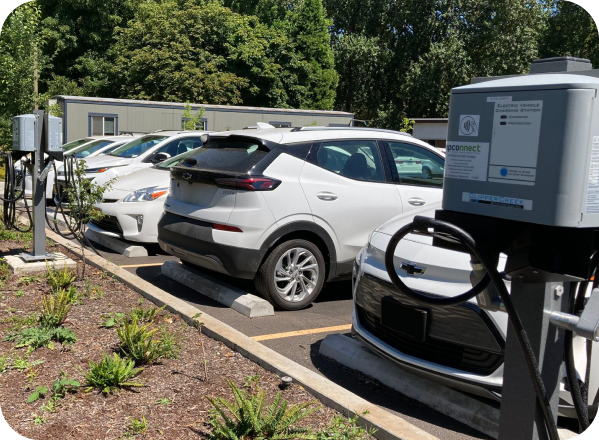
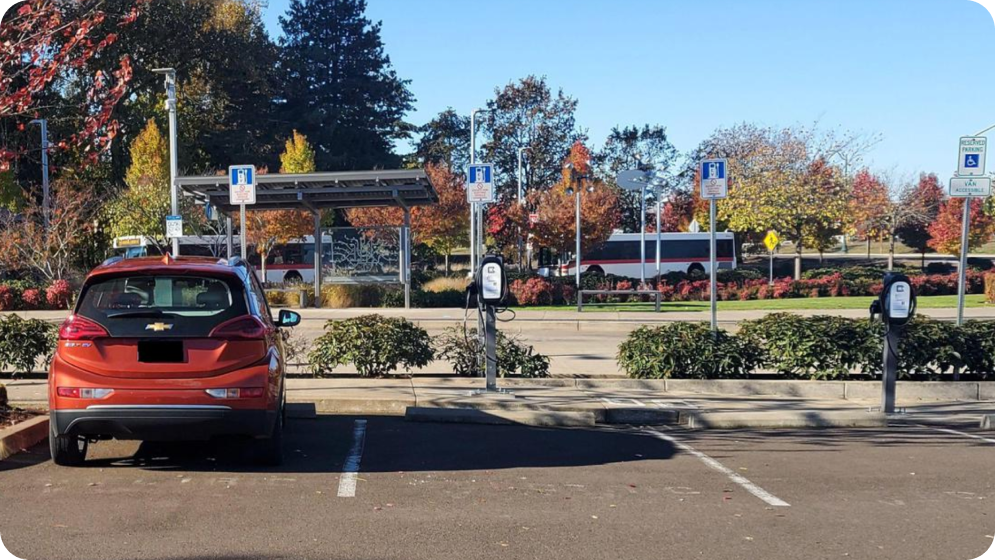
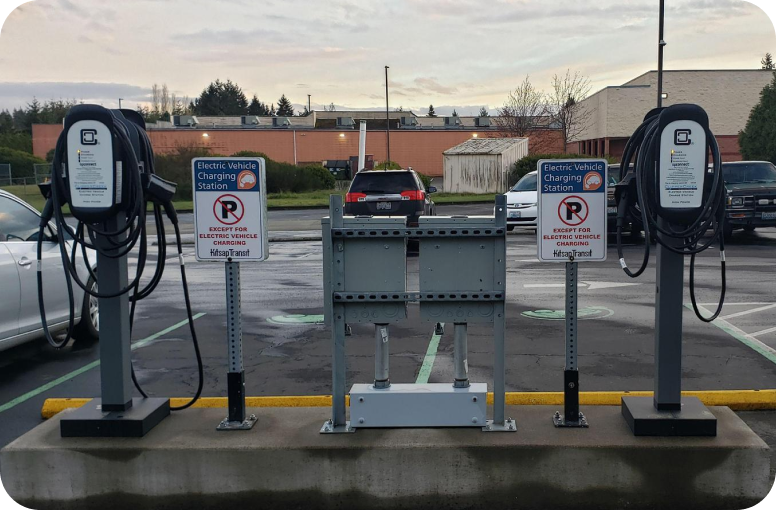
The right partner keeps your vehicles moving. The wrong one turns into a recurring headache that pulls your team away from the work that matters. Whether you’re electrifying a commercial fleet, a transit operation, a school district, or a municipal motor pool, here’s what separates a dependable EV charging partner from a vendor who simply installs equipment and walks away.
1. Proven Reliability, Not Just Installed Hardware
Anyone can put a charger in the ground. The real question is whether it works every single time your vehicles need it. Reliability, and not the spec sheet, is what determines whether your operation runs on schedule.
The industry still has ground to make up here. In the J.D. Power 2025 U.S. Electric Vehicle Experience Public Charging Study, 14% of EV owners reported visiting a public charger and leaving without successfully charging their vehicle. While this is an improvement over prior years, it still means roughly one failed visit in seven. For a fleet on a tight schedule, that kind of failure rate is simply not workable. Look for a partner whose entire model is built around uptime, and who treats keeping chargers online as their responsibility, not yours.
2. Operations and Maintenance That’s Proactive
A charging network is only as good as the support standing behind it. The best EV charging partners don’t wait for you to call and report a problem, they’re already watching for it. Proactive monitoring, preventive maintenance, and fast issue resolution are what keep small glitches from becoming stranded vehicles.
Ask how a prospective partner detects issues, how quickly they respond, and whether support is available around the clock. For fleet operations that charge overnight and depart at dawn, the answer to “what happens at 2 a.m. when something goes wrong?” matters far more than any brochure.
3. Software That Gives You Real Visibility
As your fleet grows, so does the challenge of managing it. Strong EV charging management software lets you track usage, manage driver and vehicle access, monitor energy use, and see the status of every charger across every site, all in one place. That visibility is what turns a scattered set of charging stations into a system you can actually run.
A good platform helps you spot patterns, plan capacity, and keep costs under control without needing someone to walk the lot with a clipboard. When you’re weighing EV charging for businesses with multiple locations, centralized software isn’t a nice-to-have. It’s the difference between managing your infrastructure and reacting to it.
4. Fleet Expertise From Design Through Installation
Fleet charging is its own discipline. Duty cycles, depot layouts, charging windows, and how many vehicles share how many chargers all shape what a successful project looks like. A capable partner brings that expertise to the table from day one and can handle the whole path. From planning and commercial EV charging installation to ongoing support, you can be sure that you’re not stitching together a handful of vendors who each own only one piece.
That end-to-end accountability matters. When one partner is responsible for the design, the build, and the support, there’s no finger-pointing when something needs attention.
5. Room to Grow
The fleet you’re electrifying today likely won’t be the fleet you’re running in three years. A partner worth choosing plans for where you’re headed, not just where you are. So, adding vehicles and sites later doesn’t mean starting over.
6. Accountability and an American-Made Foundation
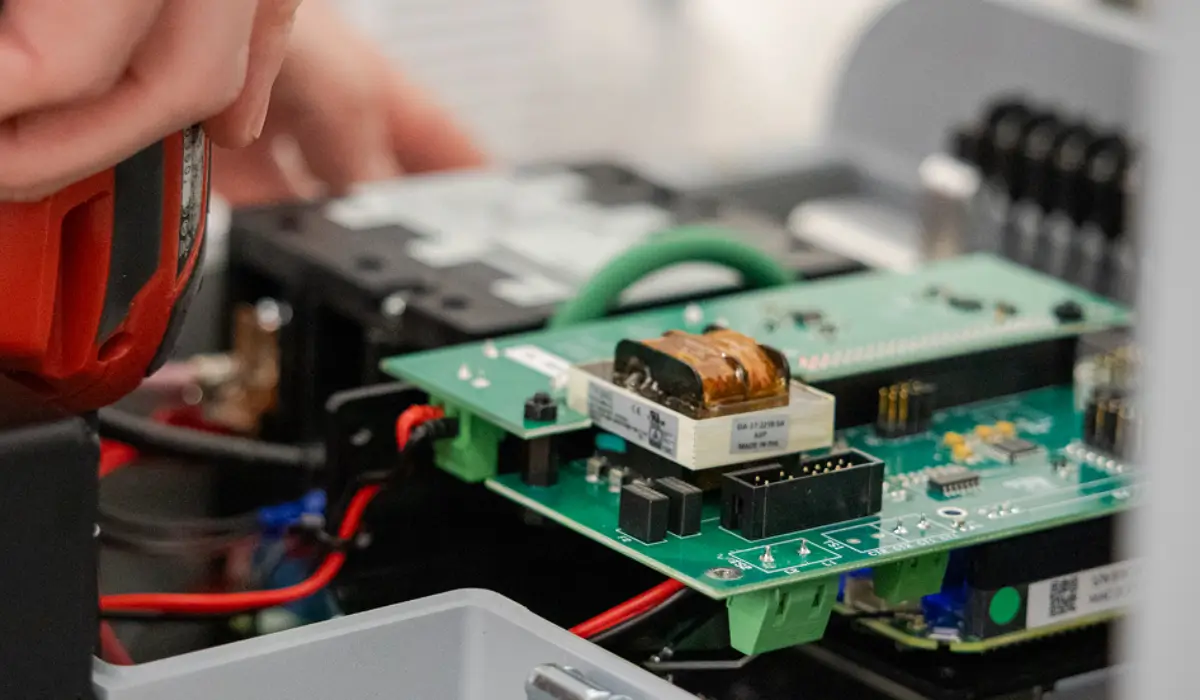
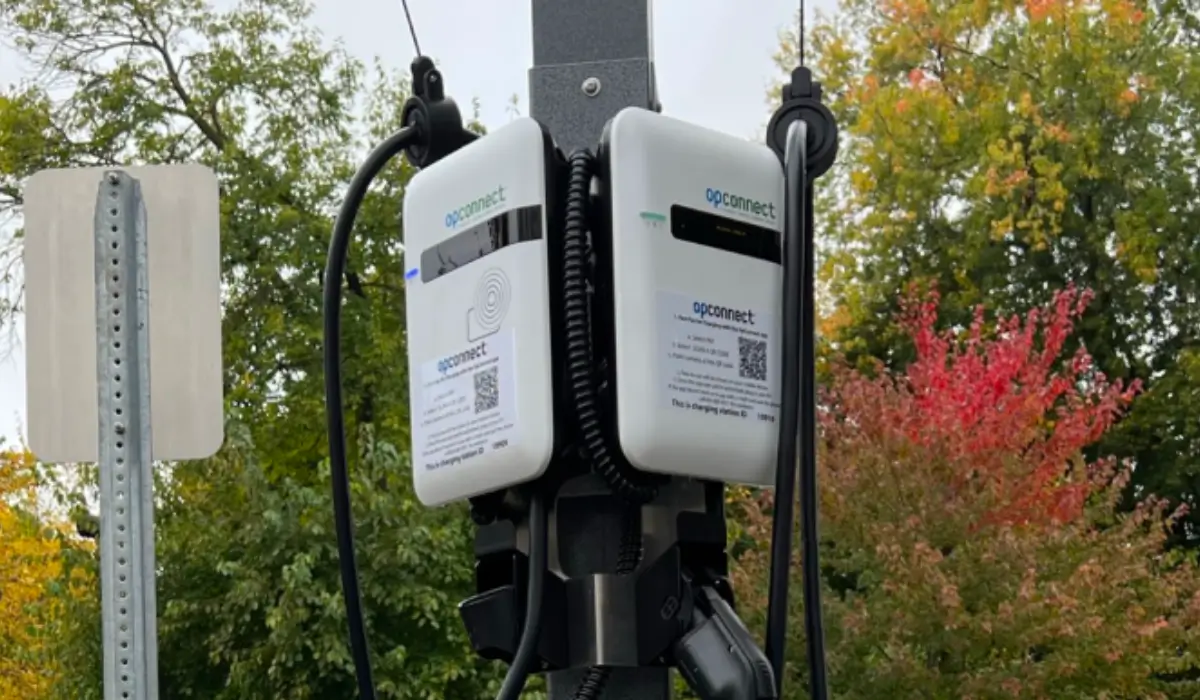
Finally, consider who actually stands behind the equipment. There’s real value in a partner that builds its own chargers and owns the full lifecycle, design, installation, support, and maintenance, rather than a chain of outside suppliers who each handle only one piece. OpConnect’s hardware is built in Portland, Oregon, giving fleets an American-made foundation and a single team accountable from day one.
Choosing With Confidence
The best EV charging partner is the one that keeps your vehicles charged and your operation on schedule, day after day, without drama. Prioritize reliability, real support, capable software, fleet-specific expertise, and a team that stands behind its work and you’ll be set up for the long haul.
To see how OpConnect approaches dependable EV fleet charging, visit opconnect-ev.com.
Sources & Further Reading:
- U.S. Department of Energy, Alternative Fuels Data Center — Electric Vehicles for Fleets: https://afdc.energy.gov/vehicles/electric-fleets
- U.S. Department of Energy, Alternative Fuels Data Center — State and Local Planning for EV Charging Infrastructure: https://afdc.energy.gov/fuels/electricity-infrastructure-planning
- J.D. Power — 2025 U.S. Electric Vehicle Experience (EVX) Public Charging Study: https://www.jdpower.com/business/press-releases/2025-us-electric-vehicle-experience-evx-public-charging-study
- Clean Trucking — Why Success Rate Beats Uptime in 2025: https://www.cleantrucking.com/infrastructure/charging-infastructure/article/15767696/ev-charging-report-why-success-rate-beats-uptime-in-2025