
The good news is that most of the costly missteps are predictable, which means they can be sidestepped. Here are the most common mistakes fleets make when planning charging, and how to avoid them.
Mistake 1: Treating Charging Like the Gas Pump
The most frequent mistake is assuming EV charging behaves like fueling at a pump. Fleet charging is shaped by duty cycles, dwell times, and the hours your vehicles actually sit idle at the depot.
A delivery van that returns at 8 p.m. and leaves at 5 a.m. has a very different charging profile than a transit bus running split shifts. Mapping how and when each vehicle charges, before any equipment is ordered, is the foundation everything else rests on.
Mistake 2: Judging Chargers by the Spec Sheet Instead of Reliability
It’s easy to compare chargers feature by feature and treat them as interchangeable boxes. For a fleet, the real question isn’t what a charger can do on paper but whether it works every single time a vehicle needs it. Reliability is still an industry-wide challenge, and a charger that reports itself as available won’t always deliver a successful charge on the first attempt.
Independent tracking from Paren’s EV charging reliability data shows that real-world uptime still varies from one operator and location to the next. For an operation on a tight schedule, that variation is the difference between vehicles that roll out on time and vehicles that don’t.
Mistake 3: Leaving Software as an Afterthought
Many fleets focus entirely on the physical chargers and treat management software as something to figure out later. That approach falls apart quickly once you have multiple vehicles spread across multiple sites.
Strong EV charging management software gives you real-time visibility into every charger, tracks usage, manages driver access, and helps you control energy use from one place. Planning for that visibility up front is far easier than bolting it on after the fact.
Related: What to Look for in an EV Charging Partner
Mistake 4: Planning for Today and Forgetting Tomorrow
Fleets rarely electrify all at once. A common mistake is planning only for the vehicles rolling out in the first phase and ignoring where the operation is headed. Adding capacity later is far simpler when the original plan anticipated growth.
In practice, getting a site and its electrical capacity ready often takes longer than teams expect, which is why the ICCT emphasizes planning grid and depot capacity well ahead of need. Think through the site layout, the electrical groundwork, and the number of vehicles you expect to add over time, so expansion doesn’t mean tearing up the plan and starting over.
Mistake 5: Underestimating What Happens After Installation
Some fleets treat the installation date as the finish line. In reality it’s the starting line. Chargers need proactive monitoring, preventive maintenance, and fast issue resolution to stay online, especially when your vehicles head out before dawn.
Ask any prospective partner what happens at 2 a.m. when something goes wrong, and whether support is available around the clock. Planning for ongoing operations and maintenance from the beginning is what keeps small issues from turning into stranded vehicles.
Mistake 6: Stitching Together Too Many Vendors
When the hardware comes from one company, the software from another, and the maintenance from a third, accountability slips into the gaps. If a charger goes down, no one clearly owns the problem. Choosing a partner that handles design, installation, support, and maintenance under one roof means there’s a single team responsible when something needs attention.
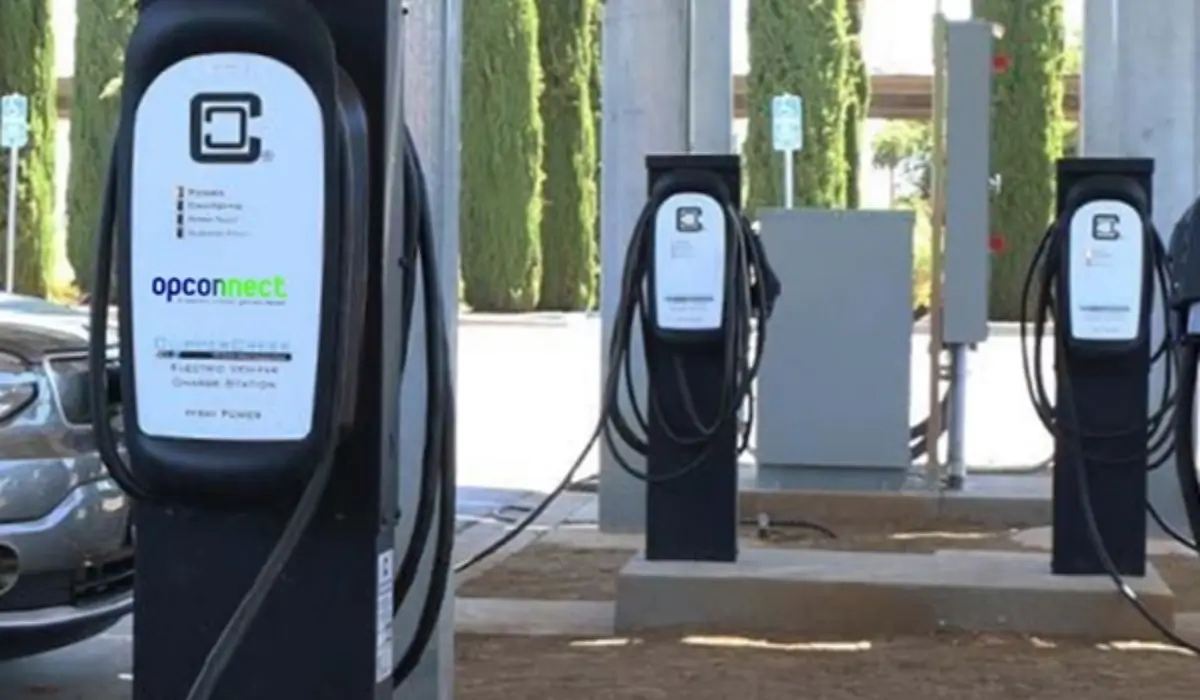
That single point of accountability is a big part of what makes OpConnect’s approach to EV fleet charging dependable for fleets that can’t afford downtime.
Planning With Confidence
Planning EV charging for businesses isn’t complicated once you know where the traps are. Start with how your vehicles actually operate, prioritize reliability over the spec sheet, build in software and room to grow from day one, and choose a partner who stands behind the entire system.
Avoid these common mistakes and your fleet will be set up to stay charged, on schedule, and on the road for years to come. Contact us with your questions about planning, we’re here to help.
Sources & Further Reading:
- International Council on Clean Transportation (ICCT) – Principles on Commercial Fleet Electrification and the Distribution Grid: https://theicct.org/principles-on-commercial-fleet-electrification-and-the-distribution-grid/
- Paren – EV Charger Reliability and Utilization Data: https://www.paren.app/data/charger-reliability