
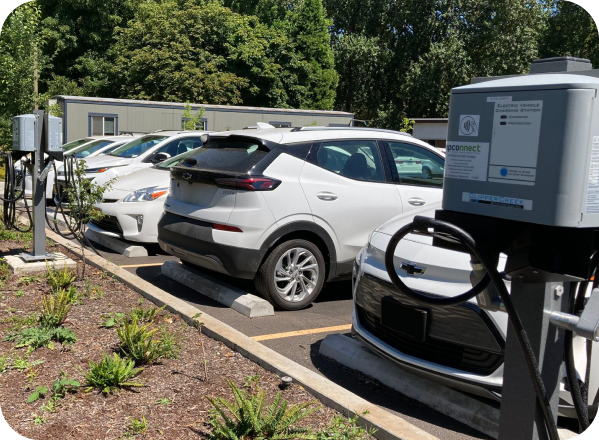
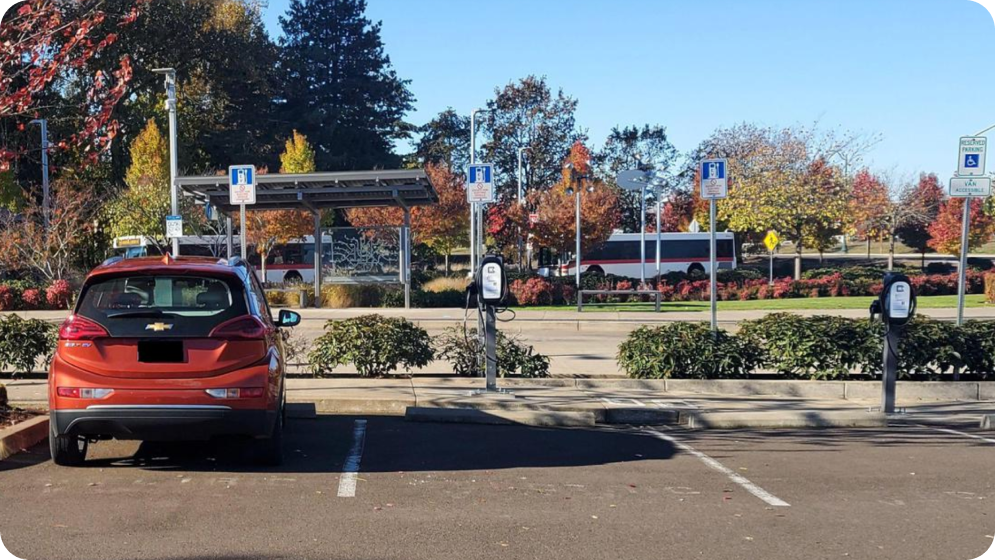
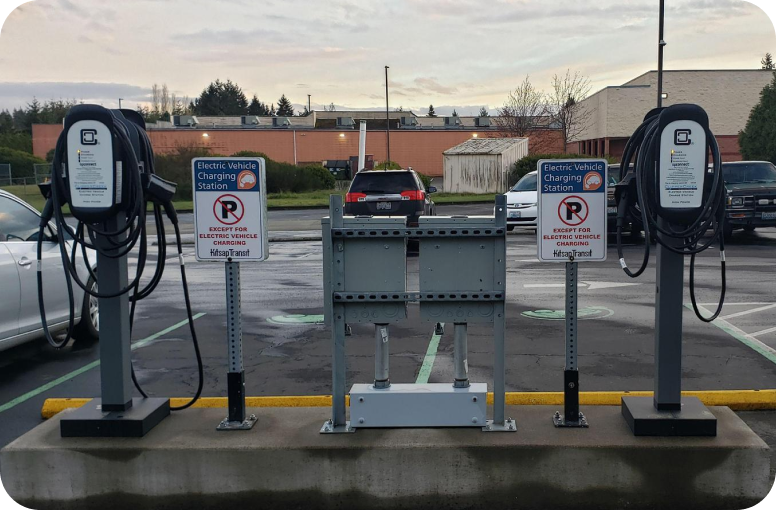
Most fleets picture electrification as a vehicle change. You order different trucks or buses, you add chargers, and the yard keeps working the way it always has. Then the equipment shows up, and it turns out the yard was the part that changed most.Fueling used to happen at one point in your depot. Charging happens at every space a vehicle parks in, which means your parking plan, your traffic flow, and your departure order all become part of your charging strategy. Here’s what actually shifts, and what to sort out while the layout is still on paper.
Parking Stops Being Interchangeable
In a diesel yard, any vehicle can use any space. Once chargers go in, spaces get assigned, because each one is tied to a specific unit and a specific cable.
That turns a simple question into a design constraint: which side of the vehicle is the charge port on, and does that mean your drivers back in, pull through, or angle in? Get this wrong and you’ll be asking drivers to do awkward maneuvers twice a day, every day, for the life of the yard.
Cable Reach Sets the Geometry
The Department of Energy’s Alternative Fuels Data Center puts two layout questions in the site planning checklist of its electric school bus guide. Both are about fit rather than electrical capacity.
The first is whether the charging cables will reach the vehicles’ charging ports. It sounds obvious written down. But, it’s a common source of retrofit headaches, because a stall that looks fine on a drawing can leave a cable stretched across a walkway or unable to reach at all.
The second is whether vehicles will still fit in the parking spaces once the chargers are installed, with appropriate clearance. Equipment occupies real space in a yard that was striped for vehicles alone. Measure with the chargers in place, not the empty lot.
Related: Charging Access Policies That Keep Workplace Peace

Circulation and Departure Order Become Part of the Plan
A yard that worked fine when any vehicle could leave from any space gets tighter when vehicles are tethered. Ask yourself how a driver gets a vehicle out at 5 a.m. without disturbing the three next to it, and whether your first departures are parked where they can actually leave first.
This is usually where operations teams find the real friction. It isn’t about charging equipment at all. It’s about the order vehicles are staged in and the paths they take through the lot, which is worth mapping against your actual morning sequence before anyone pours concrete.
The Equipment Needs Protecting From the Vehicles
Charging hardware sits in a working yard where large vehicles maneuver in the dark, in the rain, and in a hurry. Wheel stops, bollards, and thoughtful placement out of the main turning paths spare you a lot of repairs and downtime later. The same goes for keeping cables up off drive lanes, where they become both a trip hazard and something to run over.
Leave Room for Everything Else That Happens in a Yard
Plows, sweepers, striping crews, and your own maintenance staff all still need access. Chargers placed for the shortest cable run sometimes end up exactly where a plow needs to push snow or where a technician needs to open a panel. It’s a quick thing to check on a drawing and a miserable one to discover in January.
Related: What Depot Charging Means for Day to Day Fleet Operations
Design the Layout for the Fleet You’ll Have Later
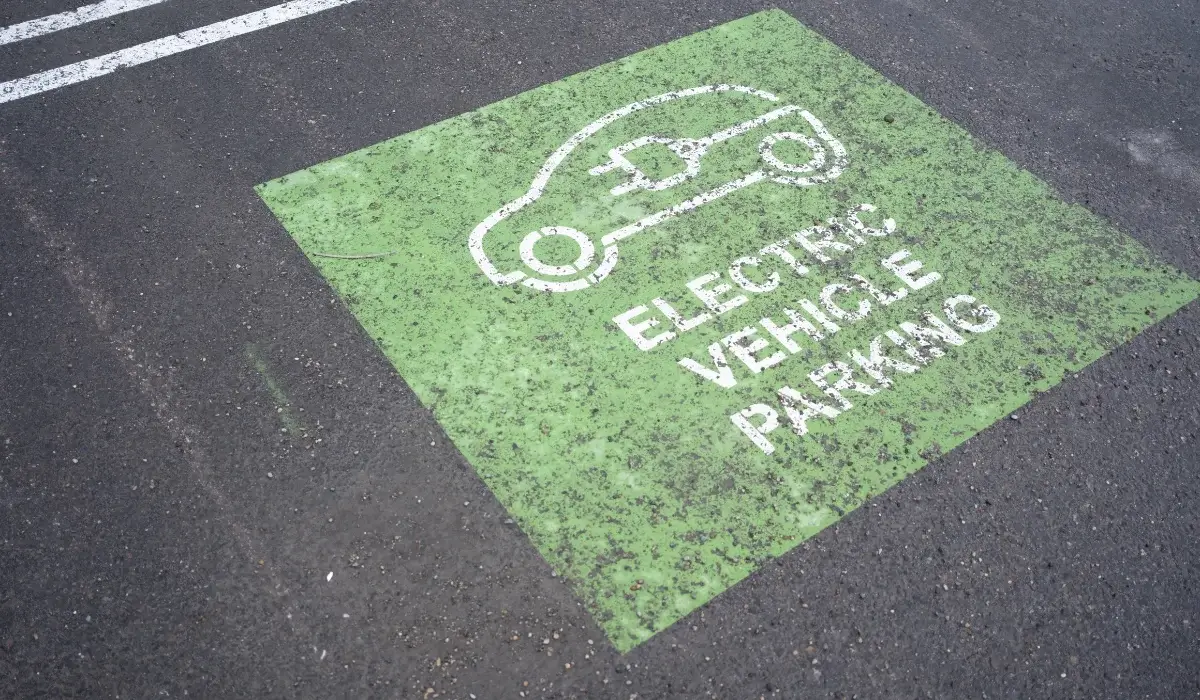
This is the point most worth getting right, because it’s the hardest one to undo. The AFDC guide’s advice is to minimize difficult or lengthy trenching under paved surfaces, and to settle early where future vehicles will charge. Whatever you stripe now is effectively semi-permanent.
The U.S. Department of Transportation makes a related point in its guidance on planning for electric buses, updated in March 2025: charging infrastructure doesn’t scale linearly with fleet size, which means space requirements grow incrementally as the fleet grows. Doubling your vehicles isn’t simply a matter of doubling your chargers in the same footprint.
So, plan the layout around the fleet you expect to run, not just the vehicles arriving in the first phase. Leave the stalls, routing, and equipment room to grow into.
Let Software Do the Yard Management You Used to Do by Eye
A diesel yard can be read at a glance. An electrified one can’t, because a vehicle parked in the right spot isn’t necessarily a vehicle that’s ready. This is where EV charging management software changes the daily routine. At OpConnect, our platform lets your team track usage, manage access, and seereal-time status for every charger across every site, so dispatch knows what’s ready without anyone walking the lot.
Reliability Is a Layout Problem Too
In a tightly packed yard, one unit out of service doesn’t just affect one vehicle. It sends a driver hunting for another stall, which disrupts the staging order you designed around. That ripple is why reliability belongs in this conversation.
Uptime comes in two parts, since the chargers and the software behind them are measured separately. Ours run at 98% hardware uptime on the chargers and 99.95% server uptime on the software platform. Our hardware is built in Portland, Oregon, and because we design, install, support, and maintain it with 24/7 support and monitoring, issues get handled before they reshuffle your morning.
Related: How to Plan Overnight Charging for a Returning Fleet
Sort the Layout Out Early
The best time to think about all of this is during planning for your commercial EV charging installation, while stalls and routing are still drawings. Walk your actual yard with your actual morning sequence in mind, and decide where vehicles park, how they get out, and where you’ll put the next phase. More than any other part of EV charging for businesses that run vehicles, this is the piece you only get one clean shot at.
Your layout decisions are yours to make, and they’ll come down to your site, your vehicles, and your operating day. What we can do is make sure the charging side fits the plan you land on. If you’re working through EV fleet charging and want to talk it over, our team at OpConnect is glad to help. No pressure, just a conversation if it’s useful.
Sources & Further Reading
- U.S. Department of Energy, Alternative Fuels Data Center — Electric School Bus Planning Guide: https://afdc.energy.gov/guides/electric-school-bus
- U.S. Department of Transportation — Planning for Electric Buses: https://www.transportation.gov/rural/electric-vehicles/ev-toolkit/planning-electric-buses