
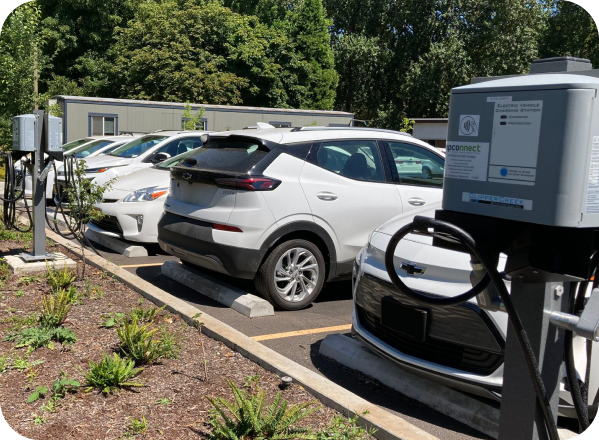
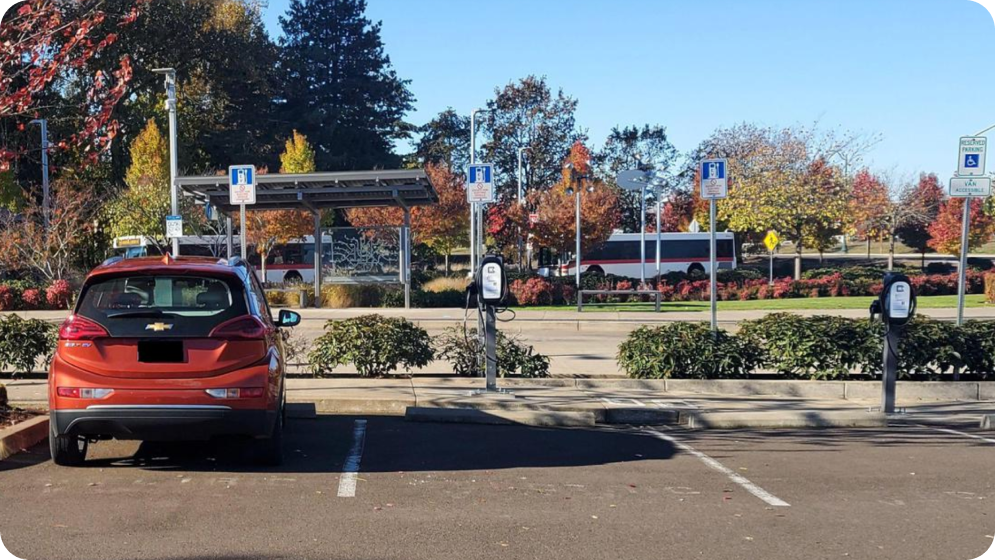
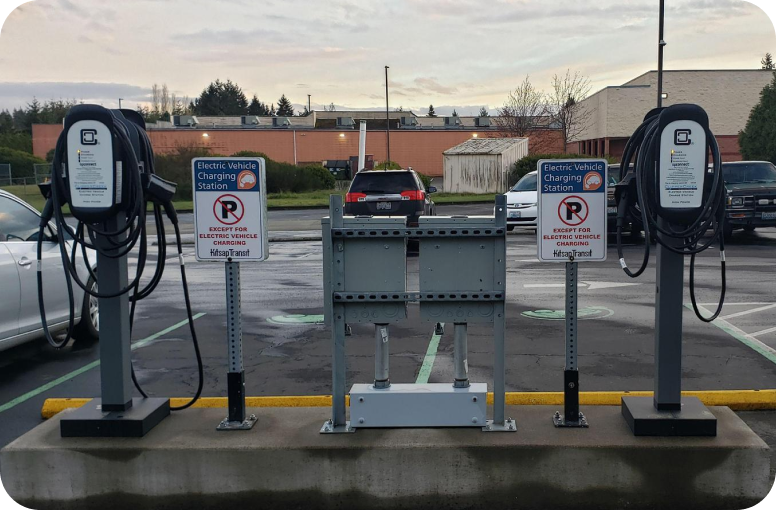
Depot charging is exactly what it sounds like: charging your vehicles at your own home base while they’re parked, usually overnight or between shifts. For most operations, it’s the backbone of EV charging for businesses that run vehicles from a central location, because it mirrors how you already refuel. Vehicles head out, do their work, and come back to the same place at the end of the day.
So the interesting question isn’t whether depot charging works. It’s what it actually changes about your operation once it’s in place.
Why Depot Charging Fits Most Fleets
The reason depot charging works so well is that most commercial vehicles already run on predictable, return-to-base patterns. Geotab’s analysis of U.S. truck movement data, reported by Electrek, found that a large share of medium- and heavy-duty trucks travel modest, predictable distances before heading back to base, well within reach of today’s electric models. And there’s time to charge once they arrive.
Geotab’s own analysis found that heavy-duty trucks sit at the depot for roughly five hours a day on average, a consistent window to charge without disrupting a single route. If your vehicles return to a shared base and park for hours, depot charging is built for you.
Charging Becomes Part of the Daily Routine
The biggest day-to-day change is how ordinary charging becomes. Instead of drivers hunting for a working public station mid-shift, vehicles come home, get plugged in, and charge while they’re parked. By the next morning, they’re ready. That’s it. The scramble disappears, and charging turns into a quiet, repeatable habit that fits the rhythm your fleet already runs on. Someone owns the plug-in step, and it stops being something anyone has to think hard about.
Related: Why Charger Reliability Matters More Than Anything Else

Dispatch and Charge Status Start Working Together
Once charging lives at the depot, it becomes part of how you plan the day. Dispatch isn’t only about who drives which route anymore. It’s also about which vehicles are charged and ready to go.
This is where EV charging management software earns its place, giving you real-time visibility into every charger and every vehicle’s state of charge. Smart, managed charging helps here too. Rather than pushing every vehicle to a full charge every night whether it needs it or not, you can schedule charging around when each vehicle actually has to be ready, which smooths out demand and keeps things predictable.
Related: How to Plan Overnight Charging for a Returning Fleet
Reliability Matters Even More at the Depot
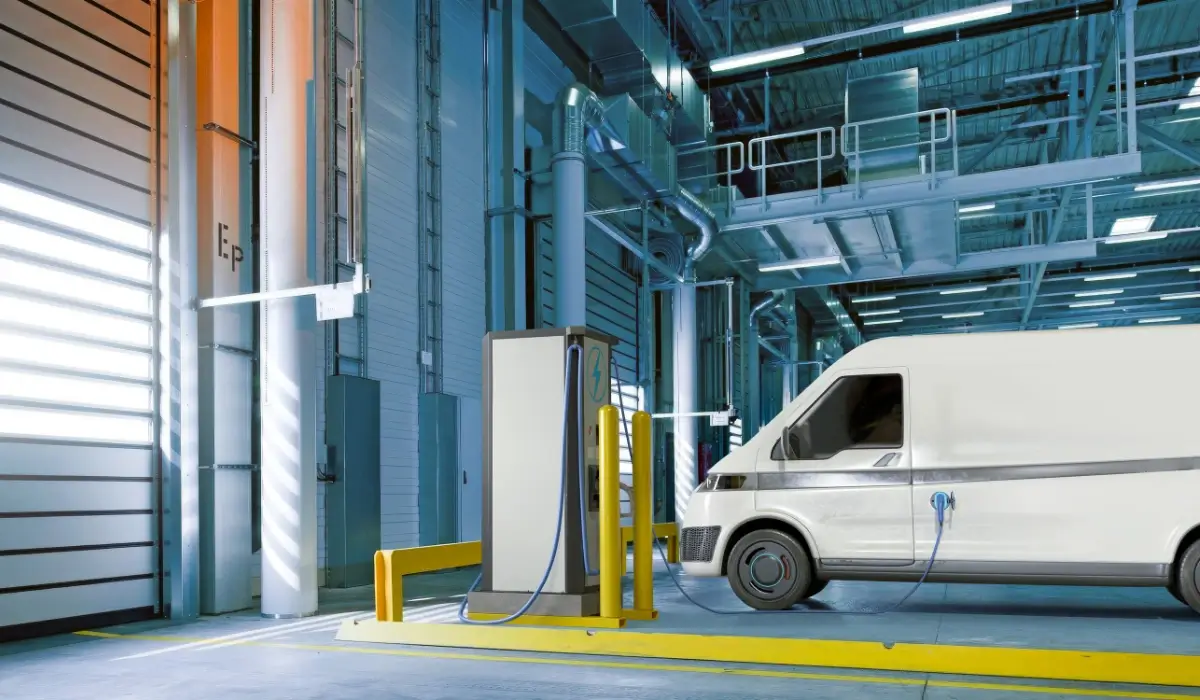
Here’s the catch with concentrating your charging in one place: when a depot charger goes down, it doesn’t inconvenience one driver, it can stall part of your operation. That’s why reliability at the depot isn’t optional. It’s the whole foundation.
At OpConnect, we back a stated 99.95% charger uptime with proactive monitoring and 24/7 support, because a depot charger that isn’t working when your vehicles come home is a problem the entire schedule feels.
Building a Depot That Works
Getting depot charging right is a design job as much as an installation one. It starts with understanding your power situation, your parking layout, and the dwell patterns your vehicles actually follow, then sizing the system to match.
We design, install, support, and maintain the charging as one accountable partner, with hardware built in Portland, Oregon. This means commercial EV charging installation at your depot is handled end to end rather than stitched together.
It’s also worth coordinating early with your utility, since the power side of a depot project goes more smoothly as an early conversation than a late scramble.
Related: How to Document Your Fleet’s Daily Routine Before Electrifying

The Day to Day Payoff
Done well, depot charging fades into the background of your operation, which is exactly the point. Vehicles are ready every morning, there’s no daily charging scramble, and the whole thing runs on one predictable routine. That’s what dependable EV fleet charging is supposed to feel like.
When you’re ready to plan a depot that works this way, we’re built to help you build it.
Sources & Further Reading:
- Geotab — The Fleet EV Confidence Gap: https://www.geotab.com/blog/ev-confidence-gap/
- Electrek — Geotab: 58% of Medium-Duty, 41% of Heavy-Duty Trucks Ready to Electrify: https://electrek.co/2025/06/30/geotab-58-of-medium-duty-41-of-heavy-duty-trucks-ready-to-electrify/