
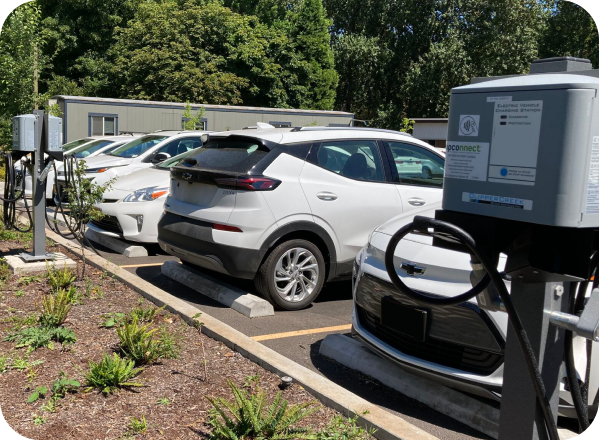
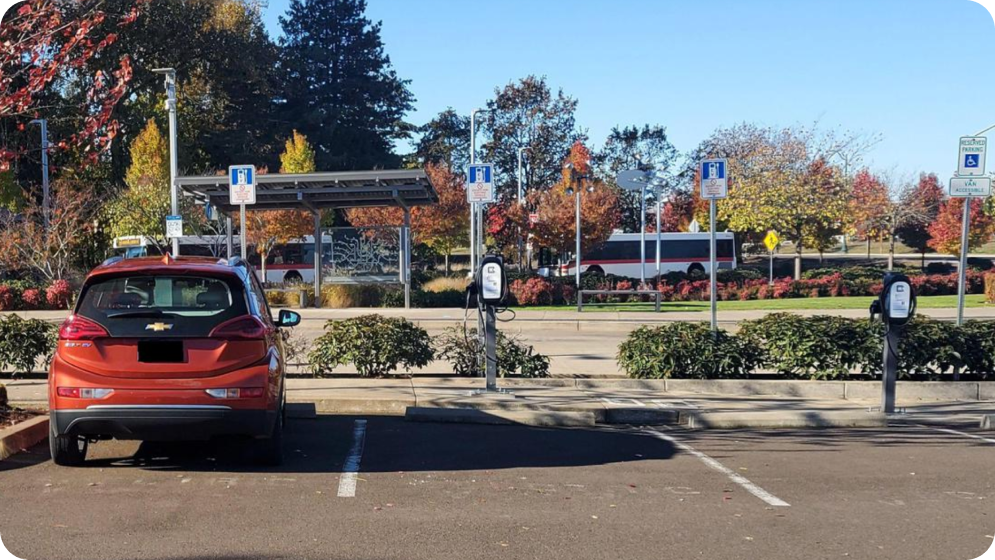
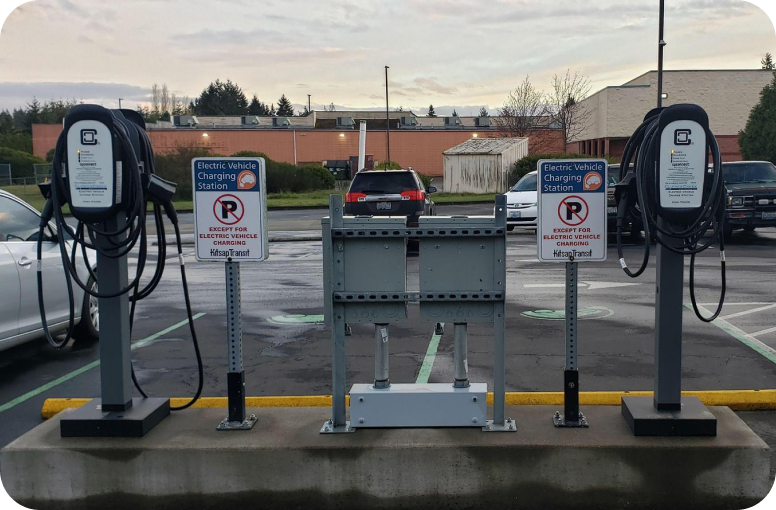
Delivery operations start with a real advantage when it comes to charging. The vehicles leave from one place, follow routes somebody already planned, and come back to the same yard at the end of the day. That’s a far easier operation than charging vehicles that wander.
The catch is that delivery runs on a clock. A vehicle that isn’t ready at 6 a.m. isn’t a maintenance issue, it’s packages that don’t move and customers who notice. That combination, predictable patterns and zero tolerance for a late start, shapes how delivery fleets think about charging. Here’s what tends to be on their minds.
Whether the Routes Actually Come Home
The first question is how much of the operation is genuinely return-to-base, because that’s what makes charging straightforward.
The Department of Energy’s Alternative Fuels Data Center groups delivery services among the applications with a return-to-base duty cycle suited to central fueling, with shorter, predictable routes that fit current EV capabilities. Geotab makes a similar point in its guide to planning a fleet transition, published in September 2026, noting that the strongest early candidates are typically return-to-base fleets with predictable routes.
Most delivery fleets already know which of their routes look like this. The useful exercise is sorting them, because the ones that come home every night are where charging makes the fewest demands on your operation.
How Long Vehicles Really Sit Still
The next thing fleets look at isn’t how fast anything charges. It’s the size of the window they have to work with, measured from the last delivery of the evening to the first departure of the morning.
That window is the constraint that everything else gets designed around, and it’s often shorter than people assume once you account for unloading, cleaning, inspections, and the vehicles that come back late. Fleets that plan against a realistic window rather than a theoretical overnight end up with far fewer unpleasant mornings.
Related: Questions to Ask Before Signing a Charging Agreement

What Happens to the Routes That Don’t Fit
Every delivery operation has some routes that won’t return mid-shift, and those get planned differently. Geotab’s guidance is that public charging becomes necessary mainly for vehicles that can’t return to a base within a single shift, and that for those cases route planning should account for charging stops the same way it accounts for fuel stops today.
That’s the right instinct. The exception routes don’t need to break your plan, but they do need to be identified early rather than discovered in week two.
The Order Vehicles Leave In
Delivery yards don’t dispatch everything at once. Routes go out in waves, and that sequence matters more once vehicles are tethered to specific spaces.
Fleets think about which vehicles need to be ready first and whether those are parked where they can actually leave first. It’s a small planning detail that quietly determines whether your mornings run smoothly, and it’s free to get right while the layout is still on paper.
Who Has to Change How They Work
This one gets underestimated. Charging adds steps for people who weren’t thinking about energy before.
The AFDC guidance is direct about it: operations staff need training on charging logistics, which gets more complicated as the number of vehicles and chargers grows. Drivers need training on using and charging the vehicle. Furthermore, the guidance specifically recommends refresher training when drivers operate both EVs and conventional vehicles, which describes nearly every delivery fleet mid-transition.
Experienced fleets plan for this alongside the equipment rather than treating it as something to sort out after installation.
Related: What to Gather Before Your First Fleet Charging Conversation

Whether the Chargers Are Ready When the Vehicles Arrive
Sequencing is a recurring worry, and for good reason. The AFDC guidance notes that vehicle production quantities can be limited and early planning is advisable. It also highlights that timing the charger installation to the vehicle delivery matters.
Both directions of that mismatch hurt. Vehicles sitting idle because the site isn’t finished is the obvious failure. Chargers sitting unused while vehicle orders slip is the quieter one. Addressing this at the outset ensures deployment schedules stay aligned.
What One Dead Charger Does to the Day
For delivery fleets this is the question that carries the most weight, because the math is unforgiving. The AFDC guidance puts it plainly: equipment downtime can equate to vehicle downtime, which can greatly affect fleet operations.
In a yard where each vehicle has an assigned space and a route waiting, a unit out of service in the evening means a vehicle that isn’t ready in the morning. There’s no slack in a delivery schedule to absorb that.
It’s why reliability deserves real scrutiny rather than a glance at a number on a slide. Uptime comes in two parts, since the chargers and the software behind them are measured separately. Ours run at 98% hardware uptime on the chargers and 99.95% server uptime on the software platform. Our hardware is built in Portland, Oregon, and because we design, install, support, and maintain it with 24/7 support and monitoring, problems get worked overnight rather than discovered at dispatch.
Knowing What’s Ready Without Walking the Yard
Delivery dispatch runs on knowing the status of things. Once charging is in the picture, a vehicle parked in the right spot isn’t necessarily a vehicle that’s ready to go.
This is where EV charging management software does its real work. Ours lets your team track usage, manage access, and see real-time status for every charger across every site, so the person releasing routes in the morning has the same picture as the person who walked the lot last night. Over time that record also shows which spaces run hardest and where the next phase should go.
Related: How to Document Your Fleet’s Daily Routine Before Electrifying

Starting With a Few Routes
Most delivery fleets don’t convert everything at once, and the ones that do it well treat the first phase as information gathering. Geotab recommends phased rollouts beginning with a small pilot group, which reduces risk and produces real performance data before scaling.
A handful of your most predictable routes will tell you more about your charging plan than any amount of modeling.
Plan It Around the Operating Day
What separates a delivery charging plan that works from one that fights the operation is whether it was built around the actual day: when vehicles come back, how long they sit, which ones leave first, and who has to do something differently.
If you’re working through EV fleet charging for a delivery operation, or weighing EV charging for businesses that run on tight dispatch windows, our team at OpConnect is glad to talk it through with you. No pressure, just a useful conversation if you want one.
Sources & Further Reading:
- U.S. Department of Energy, Alternative Fuels Data Center — Electric Vehicles for Fleets: https://afdc.energy.gov/vehicles/electric-fleets
- Geotab — EV Fleet Transition: How to Plan a Successful Fleet Electrification Strategy (September 2026): https://www.geotab.com/blog/ev-fleet-transition/