
The most important work in electrifying a fleet happens before a single vehicle or charger gets ordered. It’s the work of understanding how your fleet actually operates today. Skip it, and every later decision becomes a guess. Do it well, and the rest of the project gets a whole lot easier. That’s why the first step isn’t shopping for EVs or chargers. It’s documenting your daily routine.
Why the Routine Comes First
Successful fleet transitions tend to start the same way, by looking closely at how vehicles are really used. In a recent piece on building the case for electrification, the Center for Sustainable Energy put “identify the right duty cycles” (how vehicles are actually used each day, including mileage, routes, and time between stops) at the top of the list, and warned against assuming every vehicle is equally suited to going electric.
The federal Alternative Fuels Data Center makes the same point in different words: the first step is to assess each vehicle’s real driving and duty requirements. Your daily routine is the foundation everything else is built on. Get it on paper first, and choices about which vehicles to electrify and what charging you’ll need start to answer themselves.
What to Write Down
Aim for a clear picture of a normal operating day, plus the days that aren’t normal. Capture:
- Routes and distances: where vehicles go and how far, including how much that varies from day to day and season to season.
- Dwell time: when and where vehicles sit still, especially overnight at the depot. Those idle windows are when charging actually happens, so they matter as much as the driving.
- Home base and parking: where vehicles start, end, and return during the day.
- The work itself: what each vehicle does, including the loads it carries and whether it runs stop-and-go or long and steady.
- The outliers: the longest route, the busiest day, the seasonal peak. Planning around your most demanding days keeps the operation resilient, not just average.
The goal isn’t a perfect spreadsheet. It’s an honest record of how the fleet really moves.
Related: How EV Charging Fits Into a Property Amenity Strategy

Where the Data Comes From
You probably have more of this than you think.
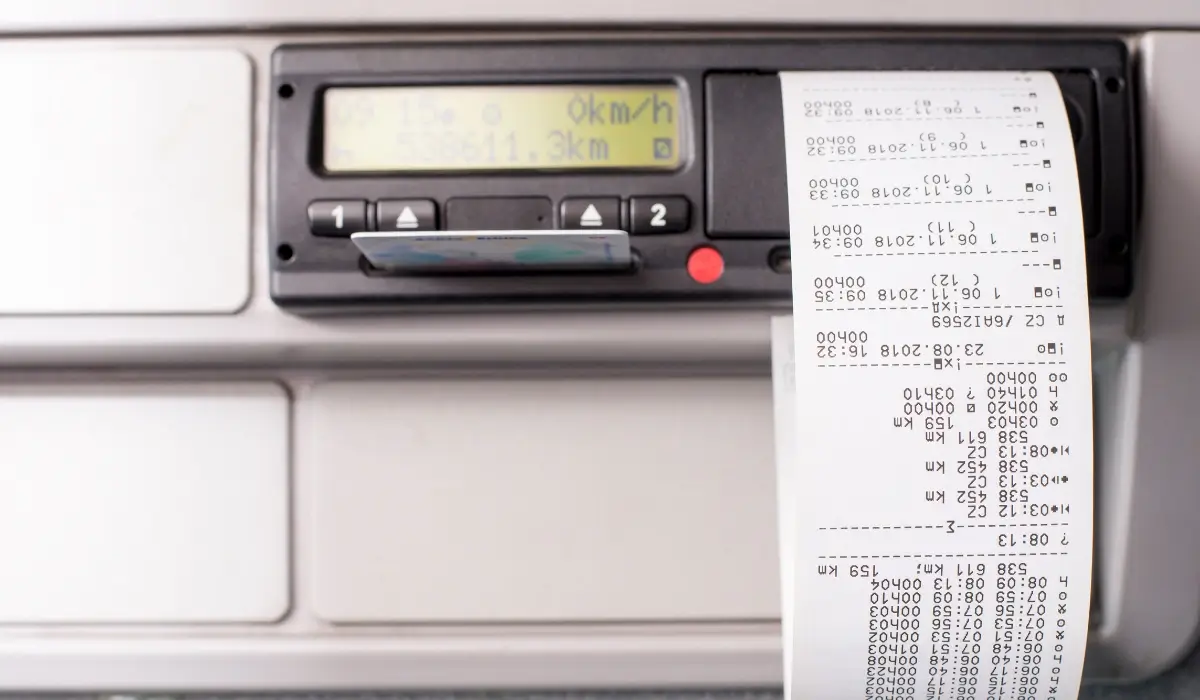
Telematics, fuel or fuel-card records, maintenance logs, and dispatch or route histories all describe the routine in hard numbers, and your drivers fill in the rest with what the data can’t show.
Pulling those sources together turns a hunch into a documented operating profile. Later, that same profile is what ev charging management software builds on to give your team ongoing visibility once vehicles are on the road.
Related: What to Gather Before Your First Fleet Charging Conversation
Turn Documentation Into a Charging Plan
Once the routine is on paper, ev fleet charging stops being abstract. The vehicles that make the easiest first candidates tend to be obvious: predictable routes, a reliable return to base, and long overnight dwell times. And the charging your operation needs follows directly from when and where those vehicles sit.
This is the part we’re built for. At OpConnect, we design charging around how your fleet actually runs, then install, support, and maintain it, so commercial ev charging installation doesn’t turn into a project your team has to carry alone.
Our hardware is built in Portland, Oregon, backed by 24/7 support and a stated 99.95% charger uptime, because reliable ev charging for businesses only works when the chargers are there the moment your vehicles come home.
Related: How to Plan Overnight Charging for a Returning Fleet
Start Before You Buy
Think of your daily routine as the blueprint for the whole project. Document it first, and the vehicle choices, the charging design, and the timeline all rest on something real instead of an assumption.
When you’ve got that picture in hand, we’re ready to help you build the charging around it.
Sources & Further Reading:
- Center for Sustainable Energy — Four Steps to Building a Business Case for Fleet Electrification: https://energycenter.org/thought-leadership/blog/four-steps-building-business-case-fleet-electrification
- U.S. Department of Energy, Alternative Fuels Data Center — Electric Vehicles for Fleets: https://afdc.energy.gov/vehicles/electric-fleets