
Installing chargers is only half the job. The other half is making sure the people who use them every day know what to do, because a charger nobody plugged in correctly is just as out of service as one that’s broken. For fleets running routes on a schedule, that difference shows up the next morning.The good news is that preparing your team doesn’t have to be complicated. Here’s how to get drivers, technicians, and operations staff ready before your new EV fleet charging equipment goes live.
Start Before the Equipment Arrives
Training works best when it’s part of your rollout plan, not something you schedule after the fact. While your site work is underway, start mapping out who needs to learn what and when. That gives your team time to ask questions before the first vehicle needs a charge, and it gives you time to close any gaps you find.
WRI’s Electric School Bus Initiative recommends addressing training and testing as soon as vehicles and chargers are delivered and installed. Ensure to test all functionality thoroughly so you know the equipment works as expected and your staff are ready to go.
Identify Everyone Who Touches the Chargers
It’s easy to think of this as driver training, but more people interact with charging equipment than you might expect. WRI’s training standards, published in November 2024, define learning objectives for everyone who interacts with electric school buses, including drivers, technicians, fleet managers, and first responders. The same logic applies to any fleet.
Think through your own roster:
- Drivers and operators who connect vehicles at the end of a shift.
- Technicians and maintenance staff who’ll see the equipment up close.
- Dispatch and operations staff who need to know which vehicles are ready.
- Facilities or site staff who may be first to notice a problem.
- First responders in your area, who benefit from knowing what’s on site.
Each group needs something different. Drivers need a short, repeatable routine. Technicians need more depth. Dispatch needs to know where to look for status.
Related: How to Tell If EV Charging Fits Your Business Goals

Keep Driver Training Short and Practical
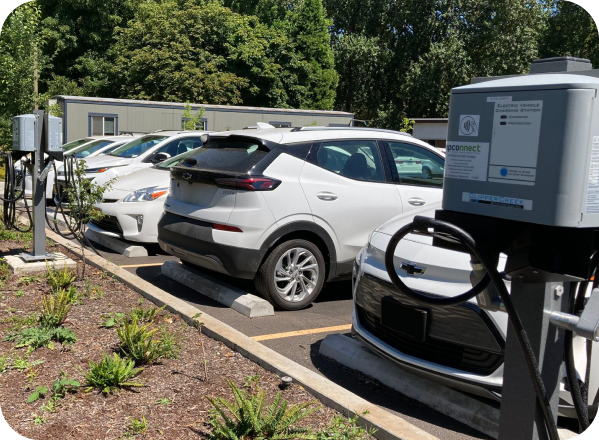
Most driver-facing training comes down to a handful of habits: park in the right spot, connect the vehicle properly, confirm the session actually started, and know what to do if it didn’t. That last one matters more than people expect. A cable that looks connected but never started a session is one of the most common reasons a vehicle isn’t ready in the morning.
Walk drivers through it in person, at the actual equipment, and let them do it themselves once or twice. A one-page reference posted at the charging area helps reinforce correct and habitual charging processes.
Phase It In Instead of Training Everyone at Once
You don’t have to bring your whole staff up to speed on day one. WRI notes that many school districts select a core group of drivers to begin operation, then systematically phase in training and exposure over the first few months.
That approach gives you a small group who learn the equipment well and can help everyone else, and it keeps your operation steady while people adjust.
Build It Into Your Daily Routine
Treat charging like any other part of the end-of-shift process. Add it to your existing checklist so it doesn’t depend on anyone remembering a separate procedure. The teams that adapt fastest are usually the ones that fold charging into routines their people already follow.
Related: What Changes for a Business After Chargers Go In

Don’t Overlook Your Maintenance Staff
Technicians often get the least attention in an electrification rollout, even though they’re the ones who keep everything running. As Government Fleet reported in June 2025, advances in vehicle and equipment technology demand higher skill levels from technicians, while formal training programs can sometimes lag behind. The same article points out that investing in training also helps with retention, since technicians tend to stay where they see a path to grow.
Make sure your maintenance team knows what’s theirs to handle, what belongs to your charging provider, and how to tell the difference quickly.
Put Your Software to Work
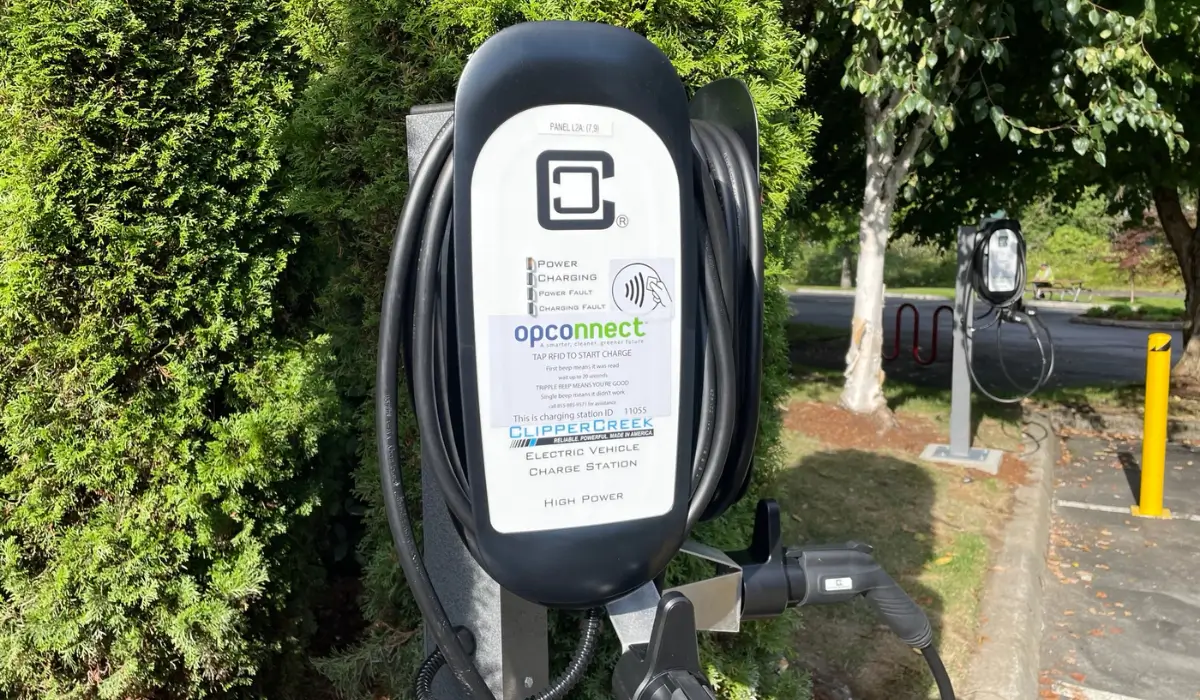
Good EV charging management software makes training easier, because it gives your team a single place to check status instead of walking the lot. Show dispatch and supervisors how to pull up charger status, track usage, and manage access, so they can spot an issue before it becomes a missed route.
Set a Clear Escalation Path
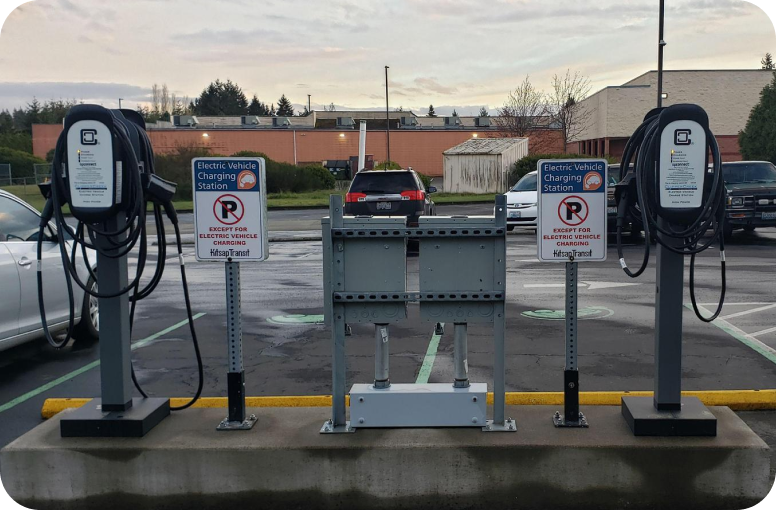
Everyone should know exactly what to do when something isn’t working, and who to contact. Write it down, post it where the chargers are, and keep it simple.
At OpConnect, our hardware is built in Portland, Oregon, and we back it with 24/7 support and monitoring, so your team isn’t left guessing when they need help. Because we design, install, support, and maintain the equipment, there’s one place to call instead of a chain of vendors pointing at each other.
Plan for Refreshers and New Hires
Turnover happens, and habits fade. Build a short refresher into your regular safety or operations meetings, and make charging part of onboarding for new drivers and technicians. It takes very little time and prevents the slow drift back into workarounds.
Related: Why Charger Reliability Matters More Than Anything Else
Readiness Is Part of Reliability
Reliable charging depends on equipment and people working together. When EV charging for businesses goes well, it’s usually because the training was planned alongside the commercial EV charging installation, kept practical, and backed by a clear path to help.
If you’re preparing your team for new charging equipment, our team at OpConnect is glad to help you think through what your staff will need. No pressure, just a conversation about what’s worked for other fleets.
Sources & Further Reading:
- WRI Electric School Bus Initiative — Step 4: Training, Testing and Deployment: https://electricschoolbusinitiative.org/step-4-training-testing-and-deployment
- WRI Electric School Bus Initiative — Electric School Bus Training Standards: https://electricschoolbusinitiative.org/electric-school-bus-training-standards
- Government Fleet — Combating the Qualified Technician Shortage with Strategic Investments and Training: https://www.government-fleet.com/articles/combating-the-qualified-technician-shortage-with-strategic-investments-and-train