
A strong internal case isn’t built on enthusiasm, it’s built on connecting charging to goals your organization already cares about and backing it with evidence. Here’s how to put that case together.
Tie It to Goals Leadership Already Has
Don’t pitch charging as a standalone nice-to-have. Connect it to priorities already on the table: attracting and keeping talent, hitting sustainability commitments, strengthening the employer brand, or modernizing the workplace.
When charging advances a goal leadership is already measured on, it stops being a cost to justify and becomes a tool to reach a target they already own.
Lead With Talent
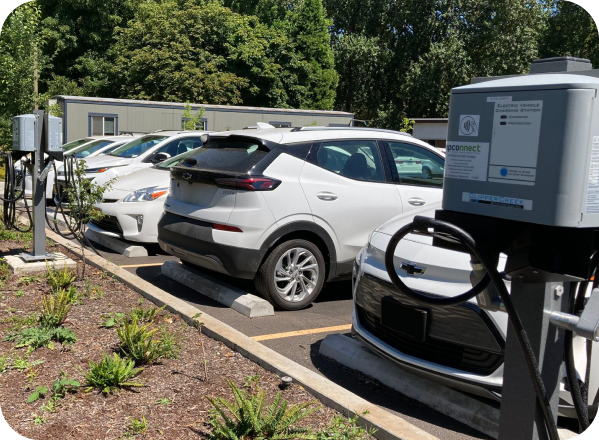
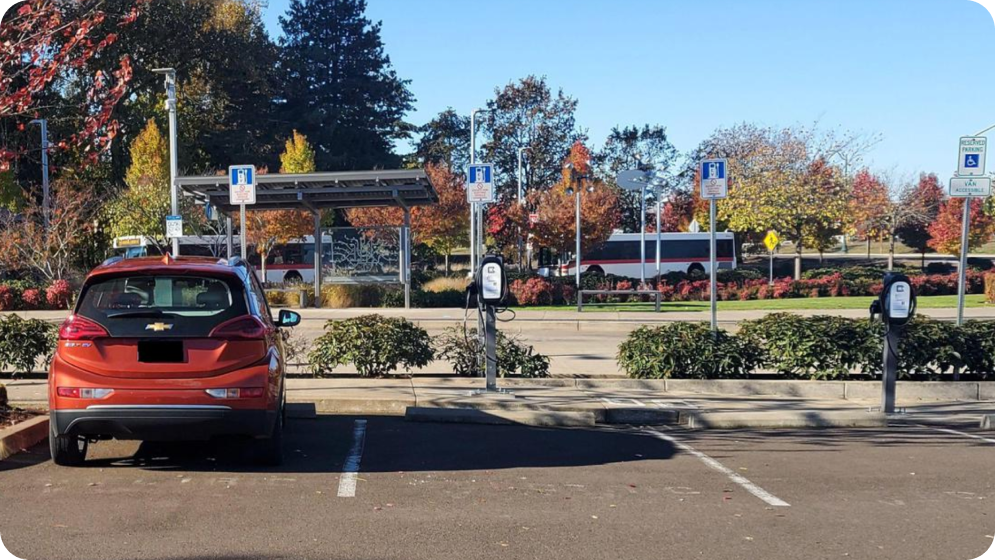
The most durable argument is people. Workplace charging is increasingly treated as a real employee benefit, the kind that signals a company invests in its workforce. As more employees drive electric, being able to charge during the workday, while the car sits parked anyway, becomes a genuine draw.
In a 2025 Plug In America survey of more than 1,600 commuters, 98% of those without such perks said they’d be interested in having EV charging available at work. That’s a strong signal for any employer competing for talent.
Related: How to Plan Overnight Charging for a Returning Fleet
Bring the Demand Evidence
Leadership responds to evidence, not assumptions. Before the meeting, gather your own demand signal: a quick employee survey, a count of the EVs already in your lot, or a log of the requests HR and facilities have fielded. Local, specific numbers from your own workforce are far more persuasive than national trends, and they show you’ve done the homework.
Address the Objections Before They’re Raised
Two concerns tend to surface: “Will this be a headache to manage?” and “Will it actually work and get used?”. Get ahead of both.
A modern setup with EV charging management software keeps day-to-day administration light, letting you manage access and see usage without babysitting the equipment. Also, reliability, the thing that makes or breaks the employee experience, is a solved problem with the right partner. That same survey found employees who already have workplace charging rate the dependability of their chargers highly, a reminder that reliability is central to whether the benefit actually lands.
Start Small and Prove It
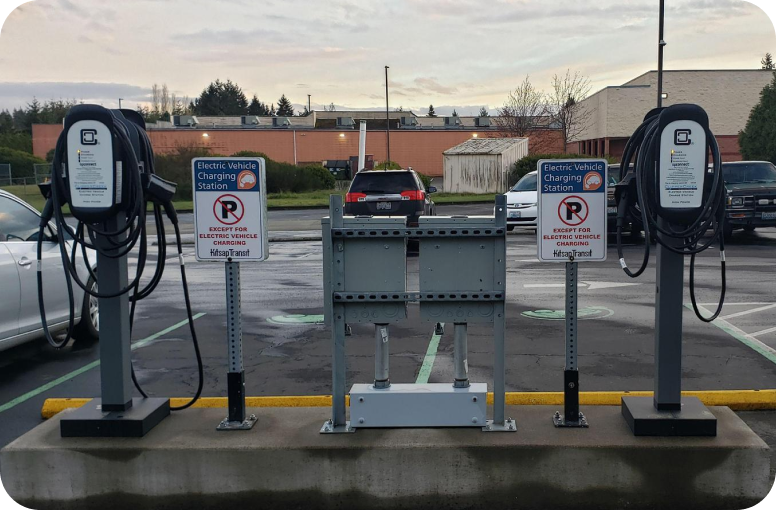
You don’t have to propose charging the whole campus on day one. A phased pilot is easier to approve and lower risk: start with a modest number of chargers, measure how they’re used, and let real data build the case for expansion. A “let’s try it and see” ask clears budget committees far more easily than an all-at-once commitment does.
Related: What to Look for in an EV Charging Partner

Loop In the Right People Early
Build the case with allies, not alone. Facility personnel know the site, HR and sustainability own the goals it supports, and finance will want to weigh the numbers. Bring in a charging partner early too, so the cost, energy, and site specifics come from people who do this for a living rather than from your best guess. A case that already has finance and facilities nodding along is much harder to say no to.
Frame It as Getting Ahead of the Curve
Finally, position charging as infrastructure your organization will likely need regardless. EV adoption keeps climbing, and the employees and candidates who drive electric aren’t going away. Putting charging in place now, thoughtfully and at a manageable pace, is smoother and less disruptive than scrambling to catch up once demand outpaces what you can offer.
Related: What Changes for a Business After Chargers Go In

Putting It Together
The strongest internal case connects workplace charging to what your organization already values, backs it with real demand, answers the hard questions before they’re asked, and lowers the risk with a phased, well-supported rollout. Handle the financial specifics with your finance team and a charging partner, and let the strategic value carry the pitch.
OpConnect helps workplaces put dependable, easy-to-manage charging in place and keeps it running on American-made hardware built in Portland, Oregon. You can learn more at opconnect-ev.com.
Source & Further Reading:
- Plug In America — New Survey Shows Commuters Want More Electric Vehicle Charging at Work: https://pluginamerica.org/press-release/new-survey-shows-commuters-want-more-electric-vehicle-charging-incentives-at-work/