
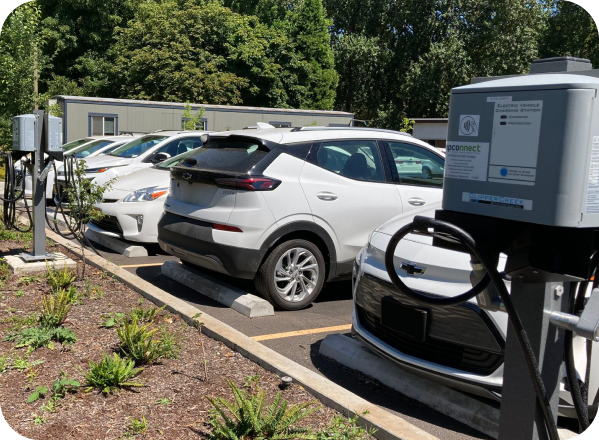
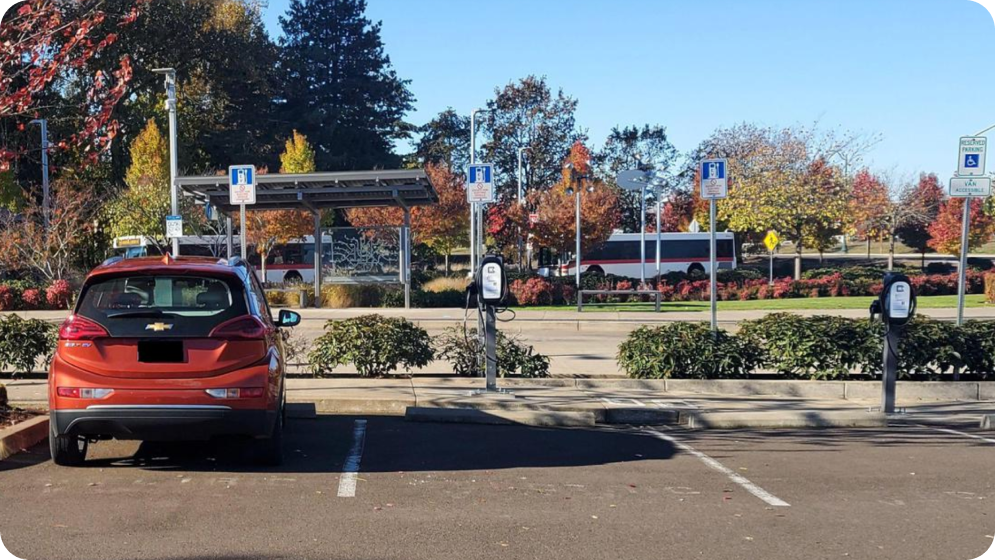
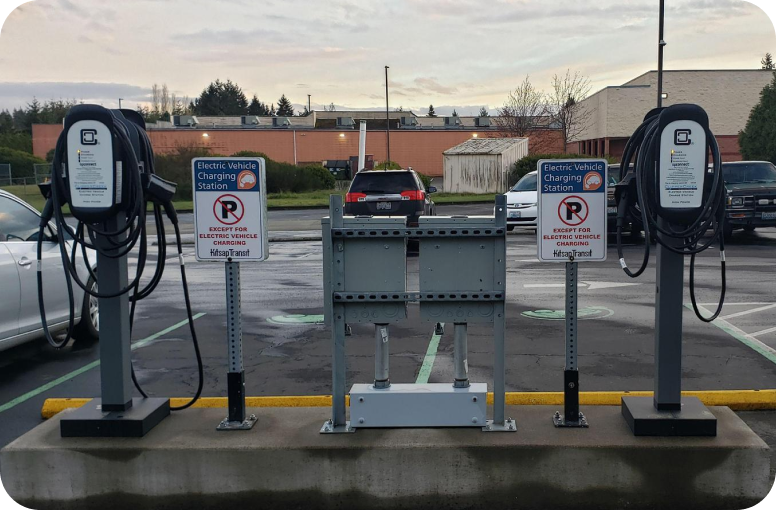
For a return-to-base fleet, the pattern is simple: vehicles come home at night and head back out in the morning. The hours in between are your charging runway, and planning them well is what separates a fleet that rolls out ready every day from one that’s scrambling at dawn.
Overnight charging isn’t complicated, but it rewards a little planning. Here’s how to approach it.
Start With the Window You Actually Have
The foundation is your dwell window: the stretch between when the last vehicle returns and when the first one leaves. Map it honestly, because it’s usually more generous than it feels.
RMI’s analysis of fleet truck data found that the median truck sits idle roughly 15 hours a day, and even on busy days vehicles aren’t in use around the clock. That downtime is your opportunity. It also varies from vehicle to vehicle and shift to shift, so build the plan on your real return-and-depart times rather than a single average.
Know How Your Vehicles Come Home
Next, understand the job each vehicle needs done overnight: how hard it ran that day, how depleted it returns, and how ready it has to be for the next shift. If you have telematics or duty-cycle data, lean on it. The clearer this picture, the better you can match charging to what each vehicle actually needs instead of treating them all the same.
Related: What Changes for a Business After Chargers Go In
Don’t Charge Everything at Once
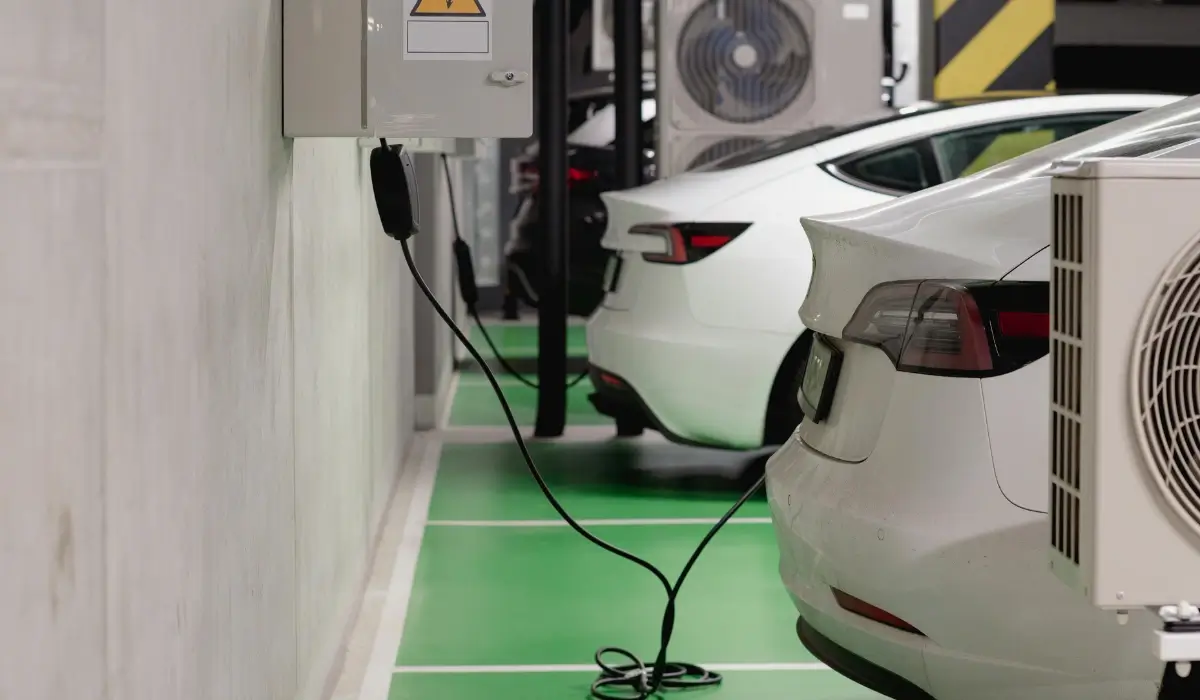
Here’s the trap that catches new fleets: plugging in the entire fleet the moment it returns and letting every vehicle charge flat-out at the same time. That creates an unnecessary spike and burns through the window you have. The smarter approach is managed charging, spreading sessions across the overnight hours so vehicles are ready by departure without everything drawing power at once.
As RMI’s research describes it, that starts with understanding how your vehicles are used and then adjusting when they charge within the window. This is where EV charging management software earns its place, handling the sequencing automatically so you don’t have to choreograph it by hand.
Build In Buffer for the Real World
No plan survives a perfectly ordinary night untouched. A vehicle comes back late, one needs more charge than expected, or a charger acts up. Because the morning departure is fixed, you can’t simply stretch the window, so leave headroom and set priorities: which vehicles have to be ready first, and what happens if a charger goes down.
This is exactly why reliability matters so much for a returning fleet. A dependable, well-supported setup keeps a single hiccup from stranding a route.
Related: What to Look for in an EV Charging Partner

Make Readiness Visible
You don’t want to find out a vehicle didn’t charge when the driver’s already in the seat. Monitoring and alerts let you confirm, before anyone arrives, that every vehicle reached the charge it needs. They also flag the exceptions while there’s still time to fix them. That visibility turns “we think they’re ready” into “we know they are.”
Plan the Site for Where You’re Headed
The window that comfortably serves today’s fleet gets tighter as you add vehicles. Design the first installation with growth in mind so expanding later doesn’t mean tearing everything up. Thinking a few phases ahead now saves a lot of disruption down the road.
Bring Your Partner and Utility In Early
The site and electrical side of overnight charging takes lead time, and so does getting the setup right for how your fleet runs. Loop in your charging partner and your utility early, well before a deadline is bearing down, so the plan is ready when your vehicles are.
Related: Who Is Actually Asking for Charging at Your Location
The Payoff
Overnight charging done well is invisible. Vehicles come home, charge on a plan, and leave ready, day after day, without anyone having to think about it. Getting there takes an honest read of your window, real duty-cycle data, smart sequencing, a little buffer, and chargers you can count on.
OpConnect works with return-to-base fleets to design, install, support, and maintain that kind of dependable overnight charging, on American-made hardware built in Portland, Oregon. When you’re ready to map out your window, you can start at opconnect-ev.com.
Source & Further Reading:
- RMI — How to Prepare the Grid for Electric Medium- and Heavy-Duty Trucks: Lessons from Los Angeles: https://rmi.org/resources/how-to-prepare-the-grid-for-electric-medium-and-heavy-duty-trucks-lessons-from-los-angeles/