
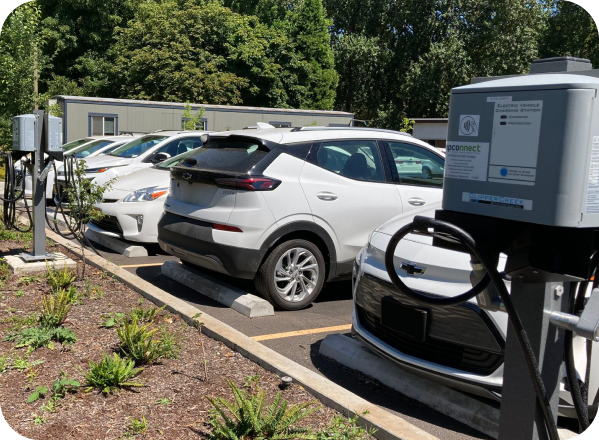
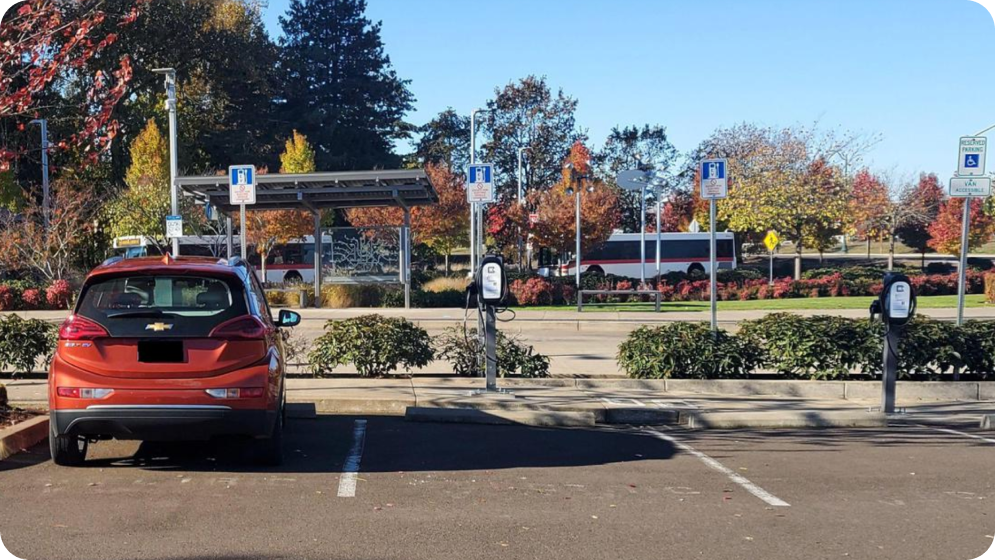
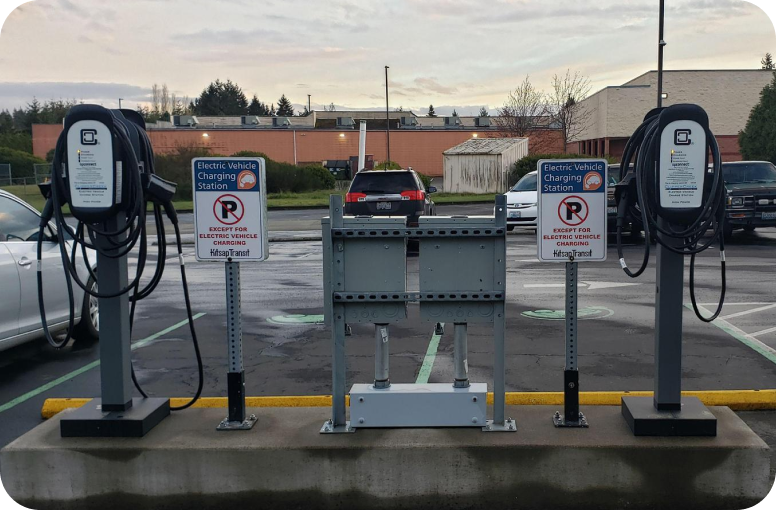
For most operations, that shift is a good one, but it helps to know what actually changes so you’re ready for it. Here’s what tends to shift once the chargers are in the ground.
Charging Becomes Part of Daily Operations
Before, charging was a plan on a whiteboard. Now it’s a daily rhythm. Vehicles get plugged in, sessions get scheduled around when vehicles are actually parked, and someone keeps an eye on it all.
For a fleet, charging joins fueling and dispatch as a routine that has to work every day, not just on paper. The operation adapts quickly, but it’s a real change in how the day flows.
Uptime Stops Being Abstract
This is the biggest shift. On paper, a charger is just a box. In operation, a charger that’s down means a vehicle that can’t run its route, an employee who can’t top up, or a resident who’s frustrated.
Reliability moves from a talking point to the thing your day depends on. And reliability isn’t automatic: industry analysis from ChargerHelp, reported by Charged EVs, found that even as reported uptime improved, first-time charge success rates slipped from about 85% at new stations to below 70% by the third year of operation. In other words, chargers need active attention to keep working, not just to get switched on.
Related: What to Gather Before Your First Fleet Charging Conversation
Maintenance Becomes an Ongoing Relationship
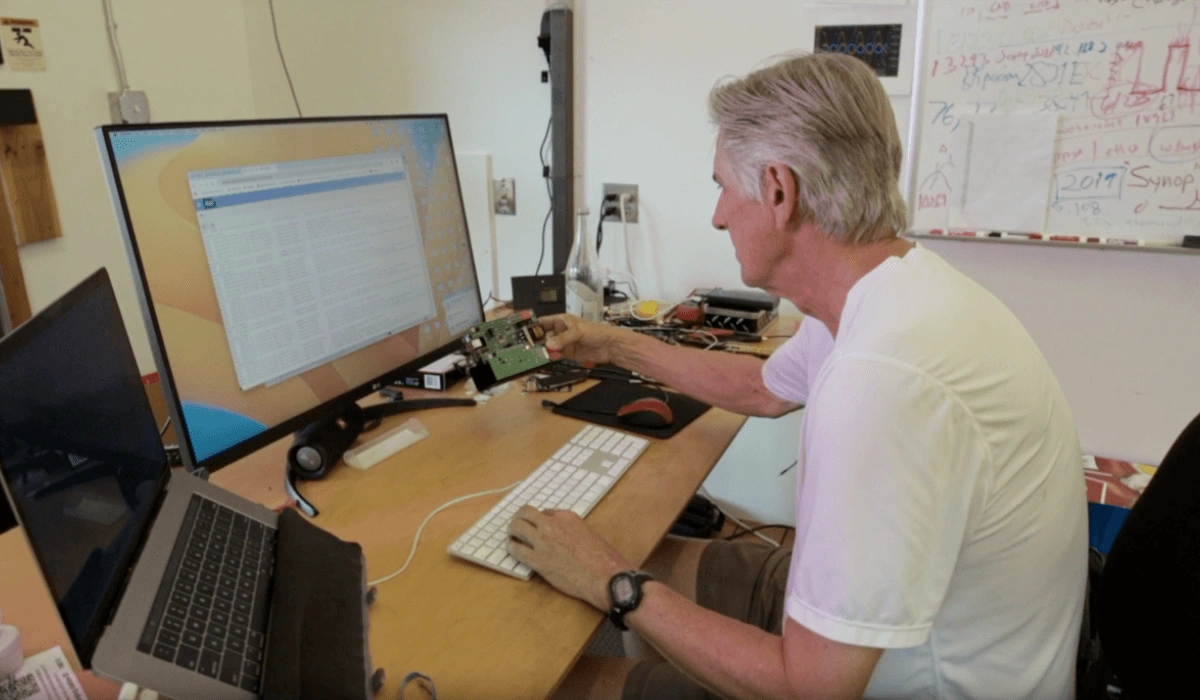
Because of that, the question quietly changes from “who installs it” to “who keeps it running.” Chargers are physical equipment exposed to weather and daily wear, so staying dependable takes proactive monitoring, preventive maintenance, and a fast response when something goes wrong.
A charging setup is only as good as the support behind it, which is why help that’s available around the clock matters far more after go-live than it seemed to during planning.
You Gain Visibility You Didn’t Have Before
Once chargers are live, you can finally see how they’re used: which sites, which hours, how much energy. Good EV charging management software turns that into something you can act on, letting you manage access, spot problems early, and understand your own demand from real numbers instead of guesses. That visibility is one of the quieter benefits of going electric, and it compounds over time.
Related: What to Look for in an EV Charging Partner
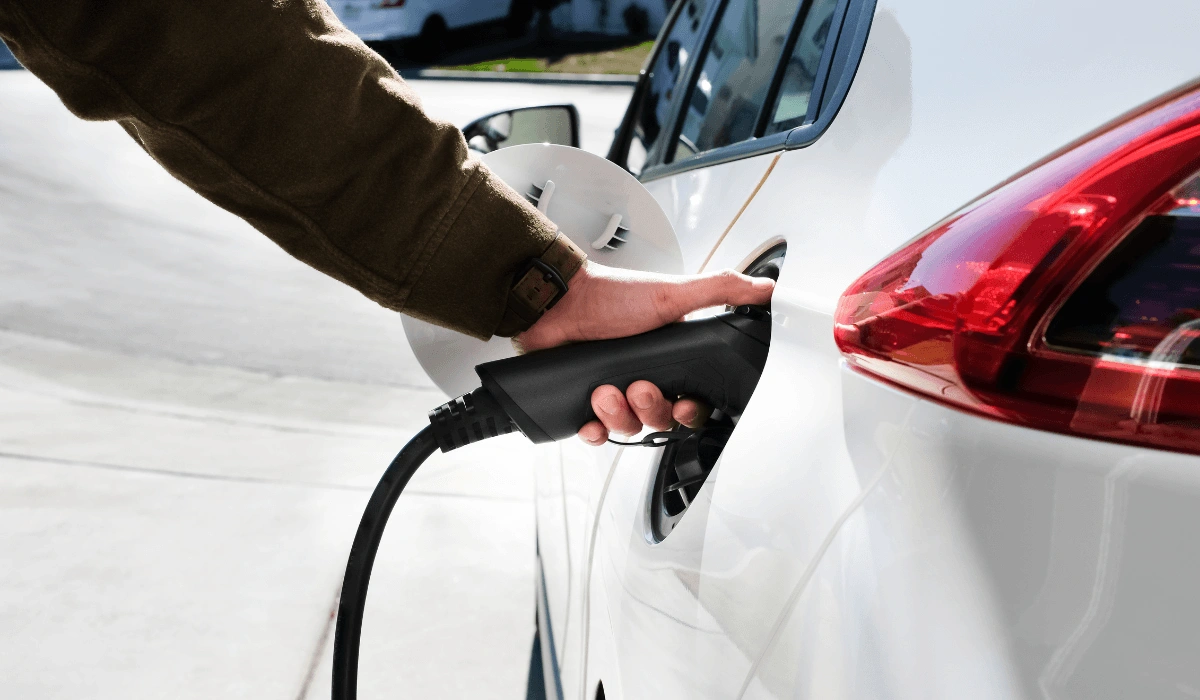
New Habits and New Owners Emerge
Someone now owns charging day to day, and the people around it build new routines. Drivers learn to plug in at the end of a shift, employees or residents settle into a rhythm, and operations and facilities coordinate in ways they didn’t before. It’s a small culture shift as much as an operational one, and it usually settles in faster than people expect.
Your Site Becomes More Competitive
Charging also changes how your business is seen. A fleet can run electric routes it couldn’t before. A workplace or property can attract and keep the people who want charging. A destination can be the place drivers choose because they can plug in while they’re there. The asset ends up working for you well beyond the vehicles it powers.
Related: Who Is Actually Asking for Charging at Your Location
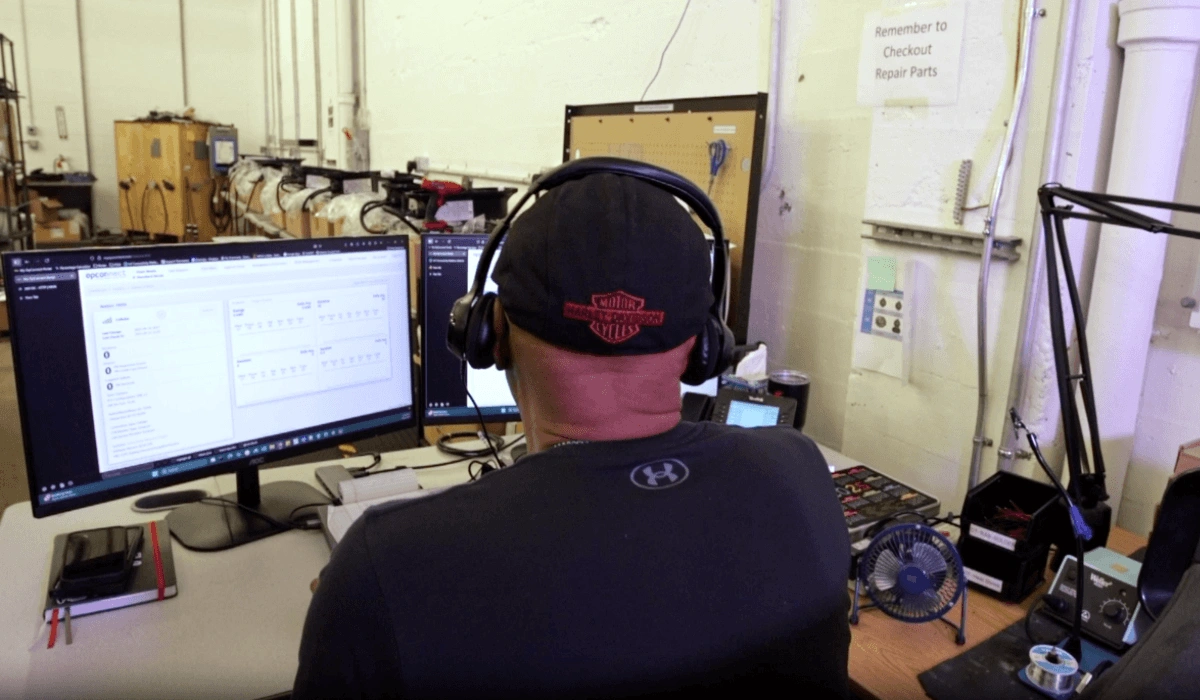
You Can Plan the Next Step From Evidence
Finally, growth stops being a guess. Because you now have real usage data, you can add capacity where demand actually is, phase expansion sensibly, and avoid both over- and under-building. The first install becomes the foundation for a smarter second one.
The Bottom Line
What changes most after chargers go in is that reliability moves from a nice idea to the thing your operation runs on, and a charging system proves its worth through the support and management standing behind it. That’s exactly what OpConnect is built for: dependable charging that’s designed, installed, supported, and maintained on American-made hardware built in Portland, Oregon, so that what changes for your business is mostly for the better. You can learn more at opconnect-ev.com.
Source & Further Reading:
- Charged EVs – Uptime Is Not the Most Accurate Metric for Evaluating EV Charging Reliability: https://chargedevs.com/newswire/chargerhelp-says-uptime-is-not-the-most-accurate-metric-for-evaluating-ev-charging-reliability/