
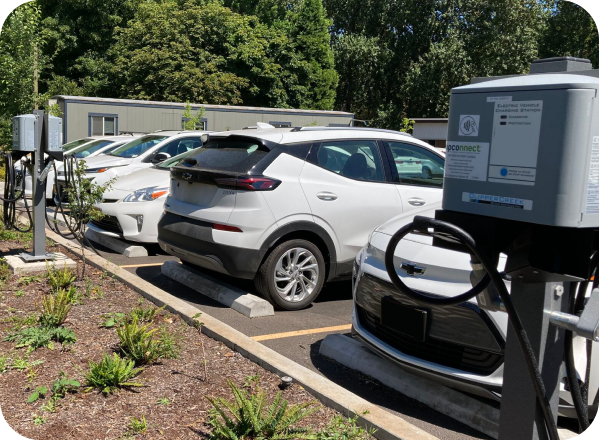
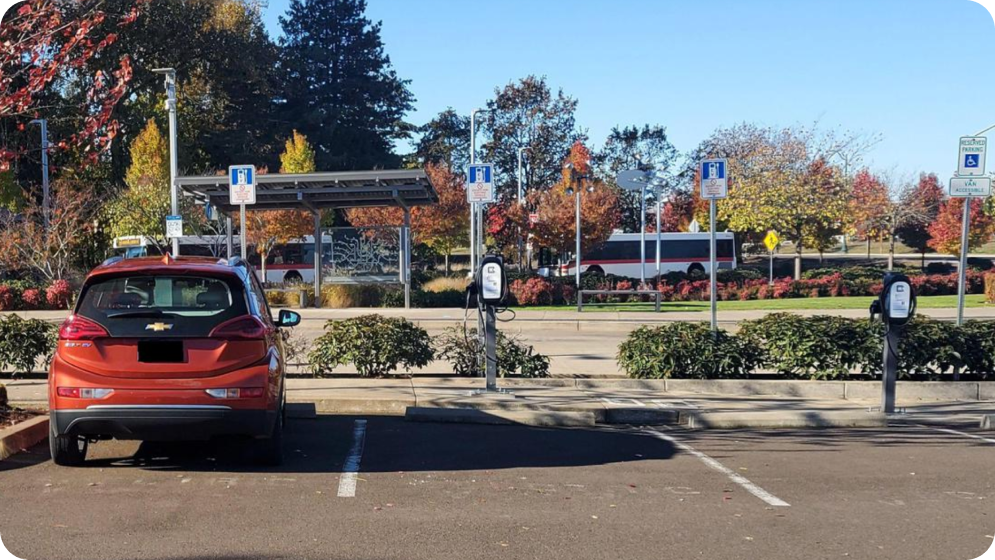
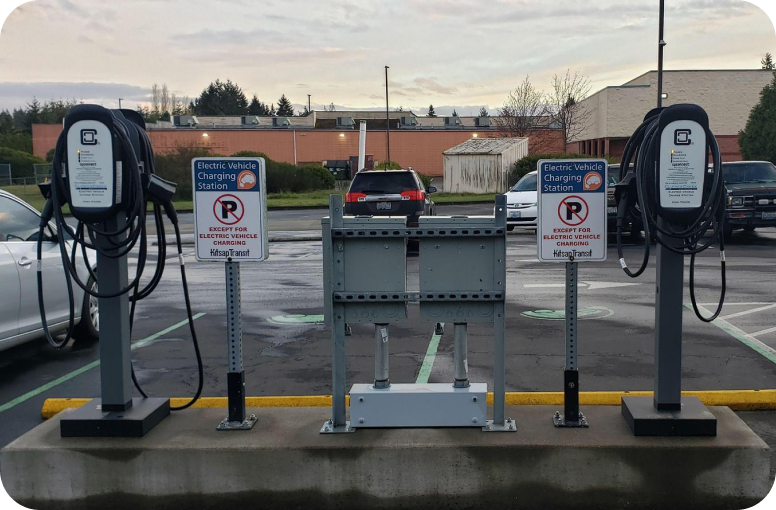
Installation day feels like the finish line. The equipment is in, the striping is fresh, the first vehicles plug in, and everyone takes a photo.The real test comes much later, on an ordinary Tuesday eighteen months in, when a unit stops working and nobody’s quite sure whose job it is to fix it. That’s the part worth evaluating before you sign anything, because chargers aren’t an appliance you install and forget. They’re equipment your operation depends on daily, and what happens after installation determines whether the investment actually works.
Here’s what good support looks like once the crews have left.
It’s Measured in Completed Sessions, Not Status Lights
The most useful thing to understand about charging support is that “working” is harder to define than it sounds. The EV charging data firm Paren made this point directly in May 2026: a port can be shown as up and still fail to start a session. It can appear available in a dashboard and be broken in the field.
Paren’s conclusion is the right frame for evaluating any provider: reliability at scale is an operational capability, not just a hardware question. The same report notes that a port regularly needing retries before a session begins is degrading the experience even when most attempts eventually succeed.
So when you’re assessing support, the question isn’t whether a dashboard says green. It’s whether vehicles that arrive to charge leave charged.
Somebody Notices Before You Call
The clearest dividing line between good and mediocre support is who discovers the problem. If the answer is always your driver at 5 a.m., you don’t have support, you have a phone number.
Good support means proactive monitoring, so faults surface on the provider’s side and get worked before they interrupt your day. It’s the difference between a provider who responds to your operation’s problems and one who catches them first.
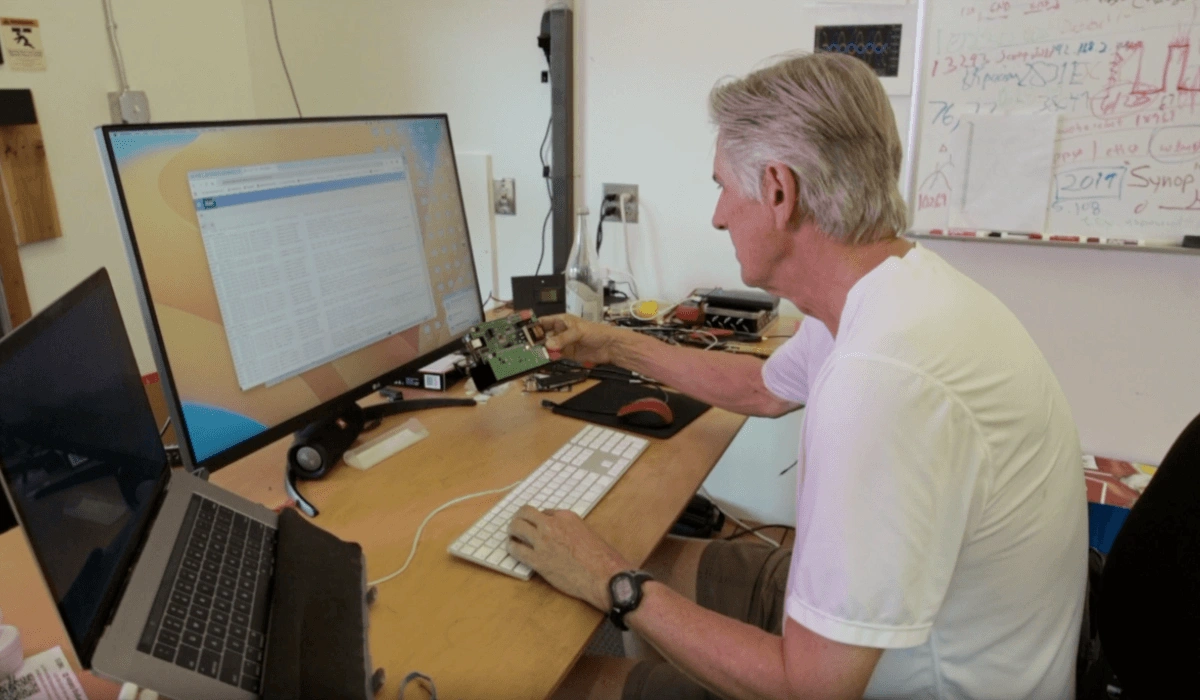
At OpConnect, we handle proactive monitoring, preventive maintenance, and fast issue resolution, with 24/7 support and monitoring behind it.
Related: How to Introduce EV Charging to ROpConnectesidents Without Confusion
Failures Aren’t Always the Hardware’s Fault
It’s worth knowing that charging reliability across the industry is improving. An August 2026 report by the American Public Power Association cited a J.D. Power study of 6,594 EV and plug-in hybrid owners. The study found that non-charge visit rates dropped to an all-time low of 12%, down from 14% a year earlier.
Those figures describe public charging rather than a private depot or workplace, so the numbers won’t map directly onto your site. The useful takeaway is the shape of the problem. Even as equipment improves, roughly one visit in eight still ends without a charge. The causes span software, payment, connectivity, and coordination rather than sitting neatly in the hardware. Support has to cover all of it, not just the box on the pole.
One Party Is Actually Accountable
This is where most support arrangements fall apart, and it’s structural rather than anyone’s bad intentions. When the hardware came from one company, the software from another, the installation from a third, and the repairs from a fourth, a fault becomes a coordination exercise. Everyone can reasonably say it isn’t theirs. Meanwhile your vehicle still isn’t charging.
Ask directly who owns the resolution end to end. We design, install, support, and maintain the equipment ourselves, which means there’s one number to call and no debate about whose problem it is. Whatever provider you choose, get that answer in plain language before installation, not after.
Maintenance Happens on a Schedule, Not a Crisis
Support that only activates when something breaks is really just repair. Preventive maintenance is what keeps a site from drifting toward failure, and it’s easy to skip because nothing appears wrong.
Ask what gets checked, how often, and who does it. Then ask how that changes as the equipment ages, because a site in its fifth year needs more attention than one in its first.
Related: Why Charger Reliability Matters More Than Anything Else
You Can See the Same Picture They Can
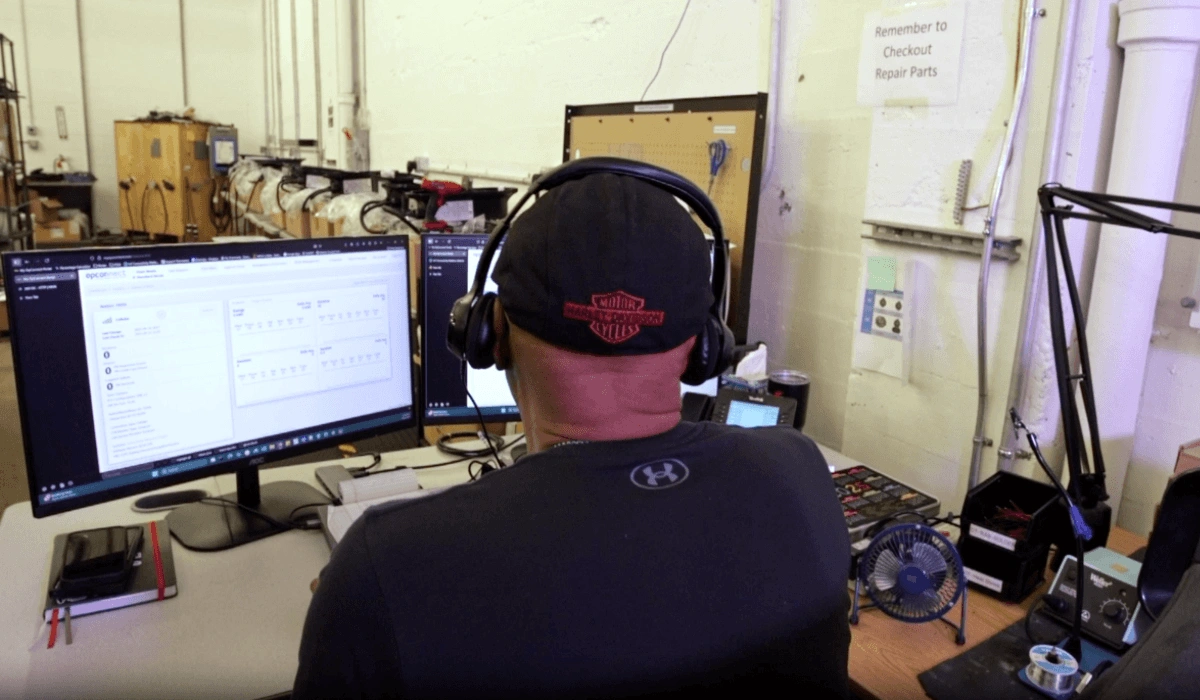
Good support doesn’t leave you dependent on asking. Solid EV charging management software should let you check status yourself, which turns a lot of support calls into a glance at a screen. Our platform lets your team track usage, manage access, and pull the reports you need, with real-time visibility into every charger across every site.
That visibility matters for a second reason. Over months it tells you which units run hard, which sit idle, and where your next phase should go.
Support Continues Over the Equipment’s Whole Life
Chargers last years. Providers, contracts, and business plans don’t always. When you’re evaluating EV charging for businesses at your scale, ask what support looks like in year five, what happens to your stations if the provider’s plans change, and who would keep them online.
It’s an awkward question to raise in a sales conversation, which is exactly why it’s worth raising.
Reliability Is the Output of All of It
Support quality eventually shows up as a number. Uptime comes in two parts, since the chargers and the software behind them are measured separately. Ours run at 98% hardware uptime on the chargers and 99.95% server uptime on the software platform.
Our hardware is built in Portland, Oregon, and our aim with every site is the simple version of all of the above: keep every charger online so your vehicles stay on the road.
Related: What Changes for a Business After Chargers Go In
Ask the After Questions Before You Buy
Support is the least visible part of a charging decision and the part you’ll live with longest. Before you commit to a commercial EV charging installation, ask who monitors the equipment, who owns a fault end to end, what preventive maintenance actually includes, what you can see yourself, and what the arrangement looks like years from now.
If you’re weighing EV fleet charging and want to talk through the support side, our team at OpConnect is glad to walk you through how we handle it. No pressure, just a straight conversation if it’s useful.
Sources & Further Reading:
- Paren — What EV Charging Reliability Actually Means, and How to Measure It: https://www.paren.app/blog/what-ev-charging-reliability-actually-means—-and-how-to-measure-it
- American Public Power Association — EV Public Charging Experience Continues to Improve: J.D. Power: https://www.publicpower.org/periodical/article/ev-public-charging-experience-continues-improve-jd-power