
Somewhere in most property tours now, someone asks about EV charging for renters. Sometimes it’s the deciding factor. More often it’s a prospect thinking a year or two ahead, wondering whether this is a place they could own an EV.
The leasing office answer tends to land in one of two unhelpful places. Either it’s vague, which reads as no, or it’s more optimistic than the parking lot can support, which turns into a frustrated resident three months later. Neither helps you lease.
Here’s what’s worth saying, and what’s worth being careful about.
Say What You Have, Not What You’re Planning
This is the one that causes the most trouble. “We’re adding chargers soon” sounds helpful in a tour and becomes a problem the moment someone signs partly because of it.
If charging is installed and working, say so plainly. If it’s planned, say it’s planned and avoid implying a date you don’t control. Prospects handle “not yet” far better than they handle a promise that slips, and the second one follows you into the lease.
Be Specific About Where and How Many
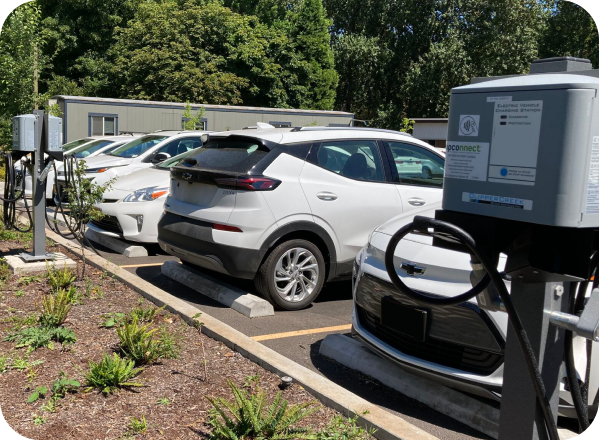
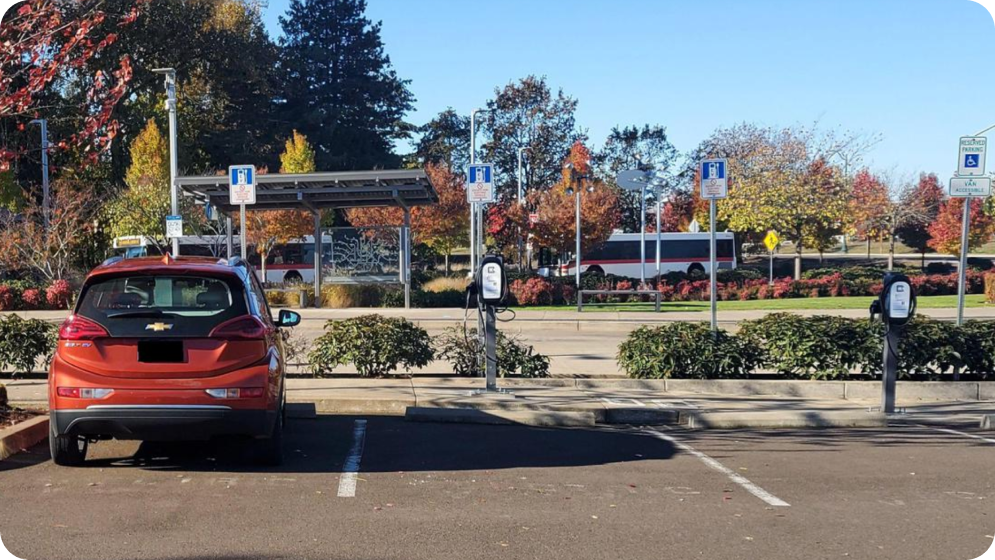
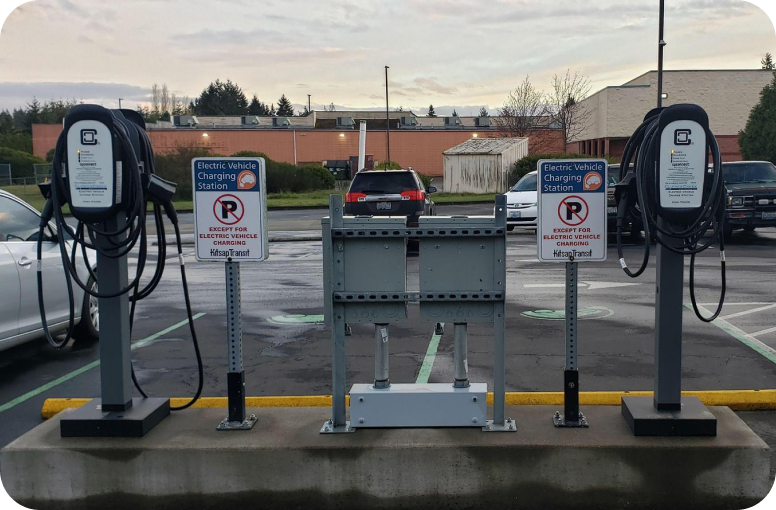
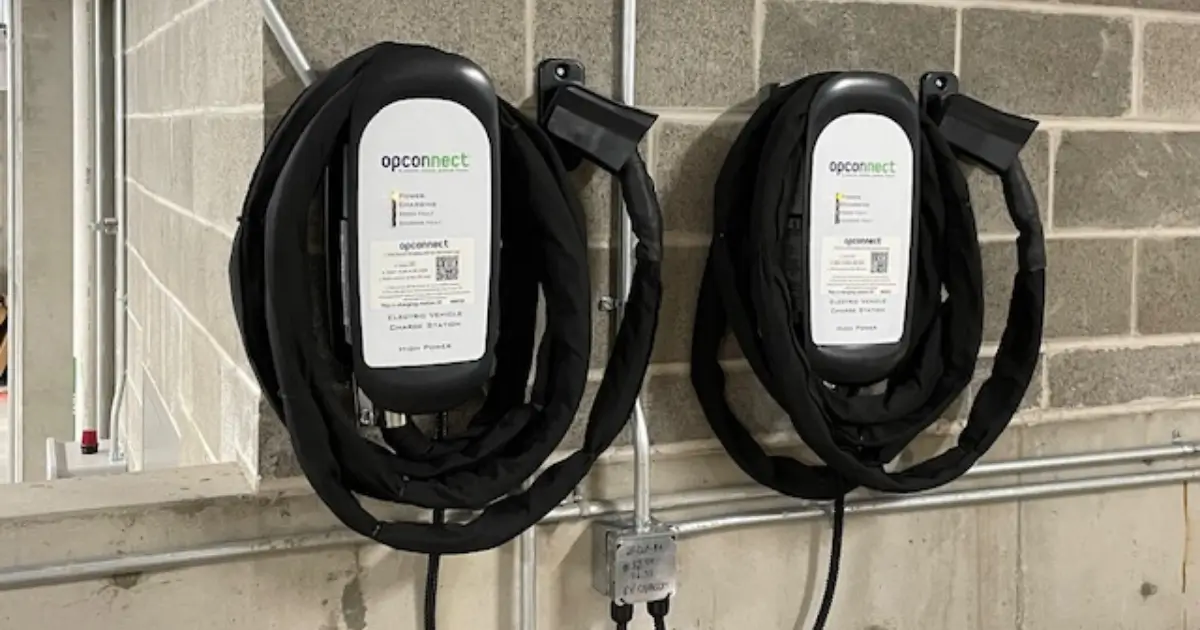
Vagueness here gets read as evasion. Prospects want to know where the chargers are, whether that’s the garage they’d be parking in, and how many there are relative to the size of the community.
Walk them to it if you can. A charger someone has actually seen is worth more than a bullet on a list, and the location often answers questions they hadn’t thought to ask, such as whether it’s covered or how far the walk is from their door.
Explain How It Fits Their Parking Arrangement
Whatever you’ve decided about how charging relates to parking, say it during the tour rather than letting someone discover it after moving in. Are the charging spaces open to anyone in the building, assigned, or tied to a particular parking arrangement? Is there a sign-up?
You don’t need to get into specifics of billing on a tour. You do need the prospect to leave with an accurate picture, because the gap between what someone assumed and what’s actually true is where early move-out conversations start.
Related: What Delivery Fleets Think About When Planning Charging
Be Straight If Demand Already Exceeds Supply
If your chargers are busy most evenings, a prospect who drives an EV deserves to know that before signing, not after. It feels like a hard thing to say, and it’s much easier than the alternative.
Tell them how it’s handled now: whether it’s first come, whether there’s a waitlist, and whether more capacity is being considered. Most people can work with a real constraint. Very few forgive discovering one.
Remember Most Prospects Don’t Drive an EV Yet
The majority of people asking aren’t EV owners. They’re asking because they might be, and charging is the thing that would make it possible where they live.
That interest keeps climbing. Marketplace reported in December 2024, citing National Multifamily Housing Council data, that 34% of tenants want EV chargers in their building, up 7 percentage points from the previous year, while noting that demand varies considerably by location.
Two things follow from that. Your leasing conversation should speak to the future EV owner, not just the current one, because “you could charge here if you got one” is the answer many prospects are actually looking for. Also, because demand varies so much by market, it’s worth knowing what’s normal where you are rather than assuming a national pattern applies to your lot.
Related: What Residents Look for in EV Charging at Their Building

Put It in the Listing the Way You’d Say It Out Loud
Listings get skimmed and amenity lists get copied forward from previous years. It’s worth checking that yours still matches reality, and that it’s specific enough to be useful.
If you’re a new building, this is a genuine advantage, because charging built in from the start can be advertised before anyone moves in rather than retrofitted later.
Be Ready for “What If It Breaks?”
Experienced renters who drive EVs ask this, because they’ve encountered chargers that don’t work. It’s a fair question and a good one to have an answer for.
It’s worth knowing that a unit can look fine and still not work. The EV charging data firm Paren made the point in May 2026 that a port can show as available in a dashboard while being broken in the field. This is why reliability is an operational matter and not just a hardware one. A charger nobody maintains stops being an amenity quickly.
Be able to tell a prospect who handles a problem and roughly how fast. At OpConnect, our equipment is backed by 24/7 support and monitoring, and because we design, install, support, and maintain what we put in, there’s one party accountable rather than a chain of them.
Uptime comes in two parts, since the chargers and the software behind them are measured separately. Ours run at 98% hardware uptime on the chargers and 99.95% server uptime on the software platform. Our hardware is built in Portland, Oregon.
Make Sure the Whole Team Says the Same Thing
The last piece is internal. Leasing agents, the property manager, and whoever answers the phone on a Saturday should all describe the charging situation the same way.
Good EV charging management software helps here, because it means anyone on your team can check actual status rather than guessing. Ours lets your team track usage, manage access, and see real-time status for every charger, which turns an awkward tour question into a quick, accurate answer.
Related: How EV Charging Fits Into a Property Amenity Strategy
Accuracy Leases Better Than Optimism
Prospects aren’t expecting a perfect charging setup. They’re deciding whether they can trust what you tell them about the place they’re about to live in. Saying clearly what exists, how it works, and who looks after it does more for your tour than a generous description that unravels later.
If you’re planning multifamily charging and want your leasing team to have straight answers, or you’re weighing EV charging for businesses with residential properties and thinking through a commercial EV charging installation, our team at OpConnect is glad to talk it through. No pressure either way, just a useful conversation if you want one.
Sources & Further Reading:
- Marketplace — More Renters Want to Charge EVs at Home. Some Landlords Want to Help Them Do It. (December 2024): https://www.marketplace.org/story/2024/12/03/ev-chargers-apartment-renters-electric-vehicle-construction-plug
- Paren — What EV Charging Reliability Actually Means, and How to Measure It (May 2026):https://www.paren.app/blog/what-ev-charging-reliability-actually-means—-and-how-to-measure-it