
- About Us
- Who We Cater to
Who We Cater To
Lorem Ipsum is simply dummy text of the printing and typesetting industry. Lorem Ipsum has been the industry’s standard dummy text ever since the 1500s, when an unknown printer took a galley of type and scrambled
- Solutions
Solutions
Lorem Ipsum is simply dummy text of the printing and typesetting industry. Lorem Ipsum has been the industry’s standard dummy text ever since the 1500s, when an unknown printer took a galley of type and scrambled
- Resources
Resources
Lorem Ipsum is simply dummy text of the printing and typesetting industry. Lorem Ipsum has been the industry’s standard dummy text ever since the 1500s, when an unknown printer took a galley of type and scrambled
- Contact Us
- About Us
- Who We Cater to
Who We Cater To
Lorem Ipsum is simply dummy text of the printing and typesetting industry. Lorem Ipsum has been the industry’s standard dummy text ever since the 1500s, when an unknown printer took a galley of type and scrambled
- Solutions
Solutions
Lorem Ipsum is simply dummy text of the printing and typesetting industry. Lorem Ipsum has been the industry’s standard dummy text ever since the 1500s, when an unknown printer took a galley of type and scrambled
- Resources
Resources
Lorem Ipsum is simply dummy text of the printing and typesetting industry. Lorem Ipsum has been the industry’s standard dummy text ever since the 1500s, when an unknown printer took a galley of type and scrambled
- Contact Us
EV Charging for Utilities
EV charging for utilities and their fleets. OpConnect supplies, networks, and maintains charging for utility operations, with 24/7 support and monitoring.
Utility companies keep the lights on, and their fleets have to be ready whenever a call comes in. Line trucks, service vans, and crew vehicles are spread across depots, yards, and operational facilities throughout a service area. We supply, network, and maintain EV charging for utility fleets, with 24/7 support and monitoring behind every site.

EV Charging for Utility Fleets Across Your Service Area
Behind-the-Fence Charging at Depots and Yards
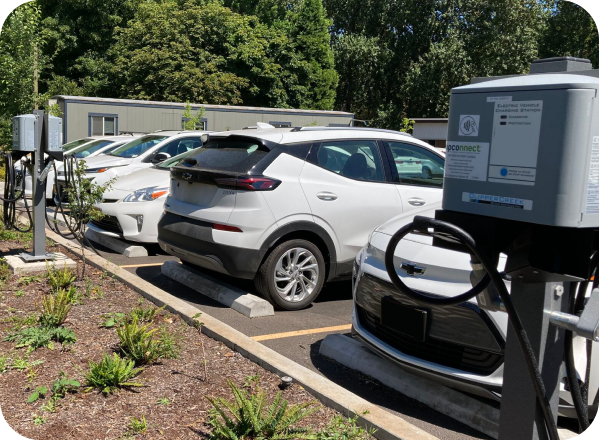
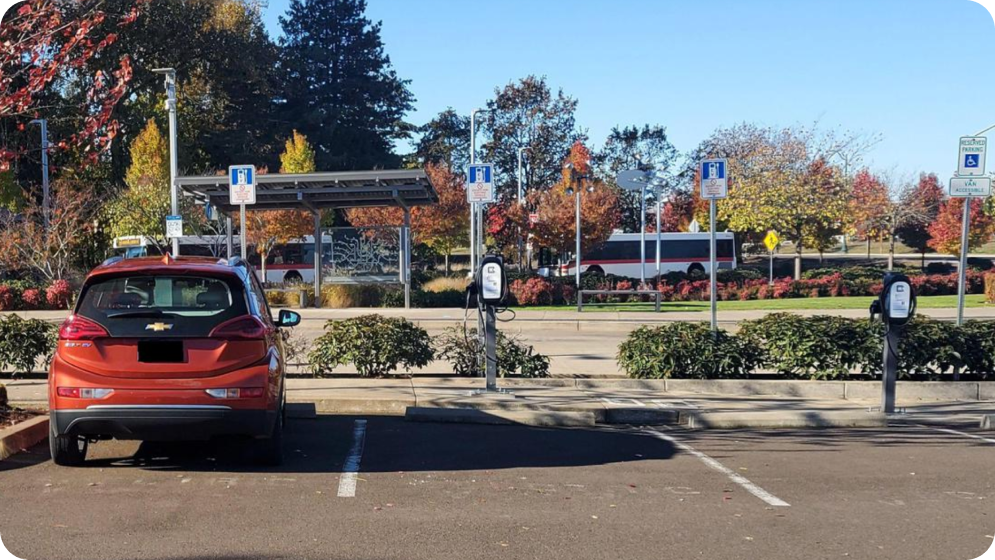
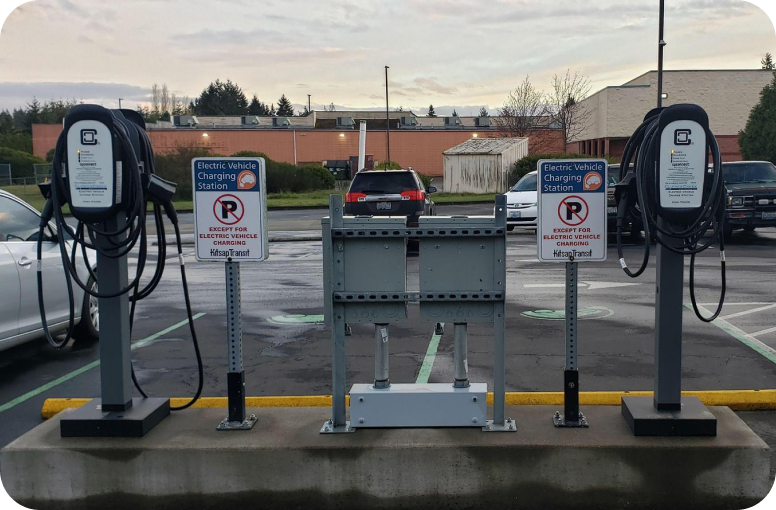
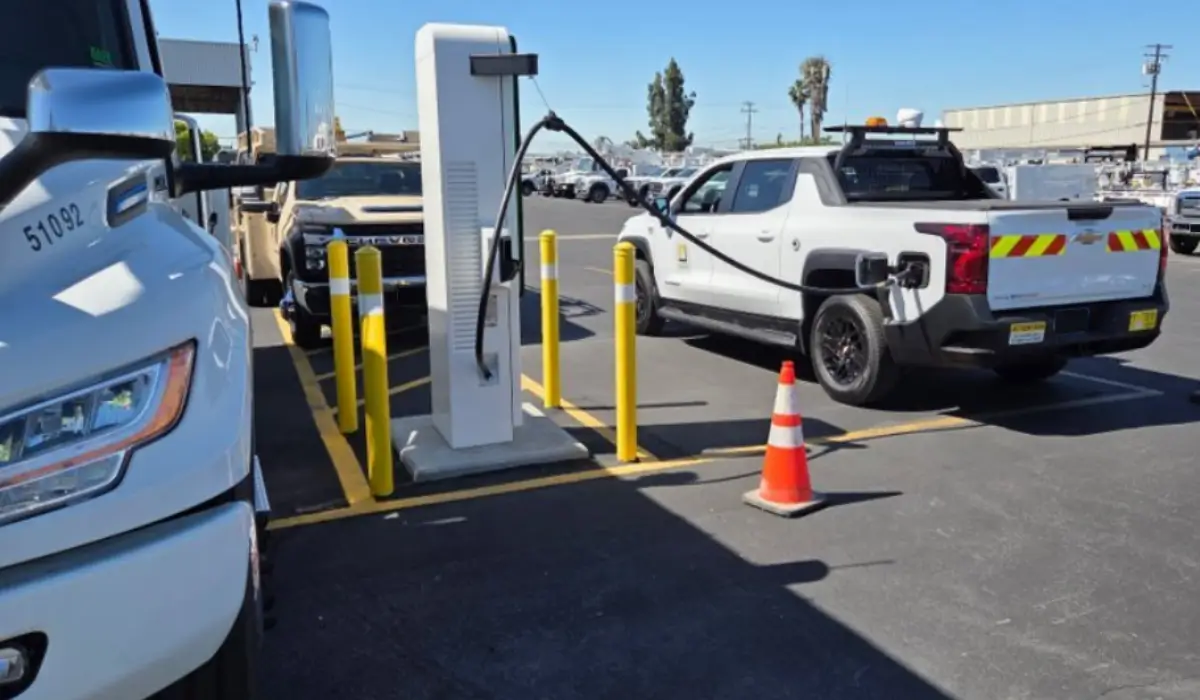
Utility vehicles come back to the same depots, yards, parking garages, and operational facilities, so that’s where charging belongs. Behind-the-fence EV chargers mean crews and other EV drivers don’t depend on public chargers, public charging stations, or public EV networks, and there’s no stop at a gas station on the way to a job. Many yards call for outdoor installation, and we plan each site around how much power it can draw and which type of charger fits each vehicle, from line trucks to the occasional electric car or plug-in hybrid in the motor pool.
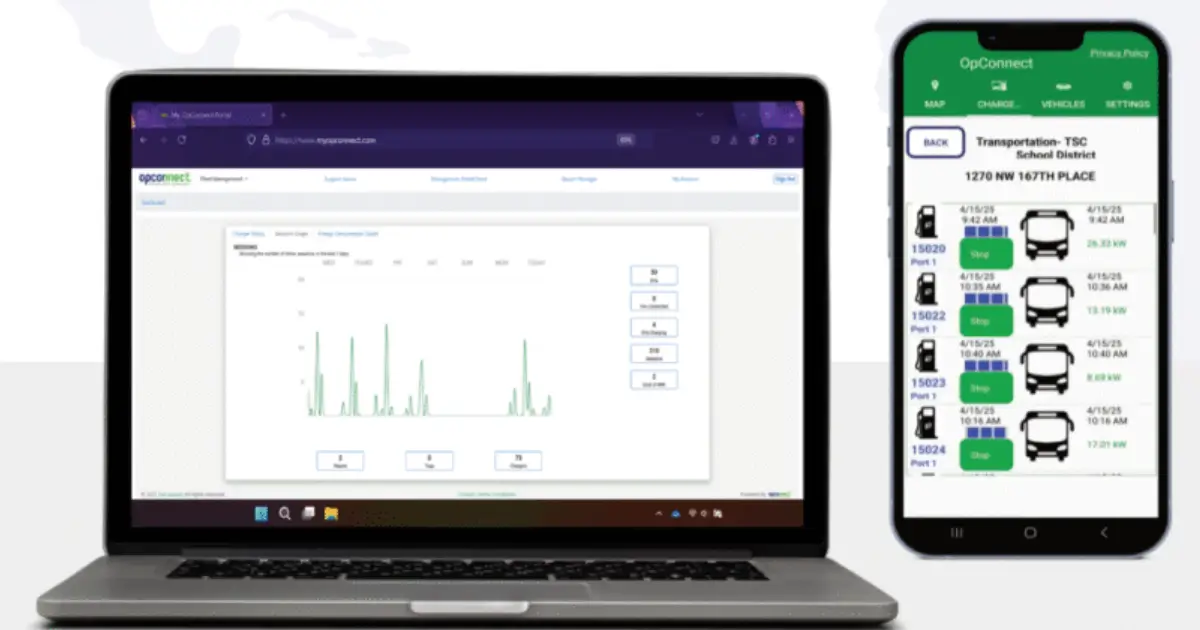
One View of Every Site
Fast Maintenance Response for Crews on Call
When a storm rolls through, every vehicle needs to start the shift on a full charge. That’s why maintenance response matters as much as the hardware. Our 24/7 customer service hotline and on-site maintenance and repair keep problems from turning into missed calls for electric vehicle drivers in the field, and the associated risks of an offline charger get caught early through around-the-clock monitoring.

Why Utilities Choose OpConnect
Trusted by Southern California Edison
OpConnect was awarded a five-year contract to support Southern California Edison’s fleet electrification goals. The work covers supplying and servicing charging stations and maintaining SCE’s EV charging network across its service area, with behind-the-fence charging at depots, yards, and other operational facilities. OpConnect was later also selected to support workplace charging across SCE facilities.
Built in Portland, Oregon
Our electric vehicle charger hardware is American-made and built in Portland, Oregon, with 98% hardware uptime. Because we design, install, support, and maintain our own equipment, there’s no handoff between a hardware supplier and a separate electrical contractor when something needs attention.
Load Management and Access Control
Utility yards often share power with the rest of the facility. Load management and flexible access controls help balance charging against the rest of the site and the electrical grid, with fast chargers where quick turnaround matters and slower charging where vehicles sit overnight. Reporting helps your team track energy use and shift charging toward off-peak hours where your operations allow.
24/7 Support and Monitoring
Utility work doesn’t stop at five o’clock, and neither does our support. Our team monitors your stations around the clock and responds with on-site maintenance and repair when it’s needed. We serve customers in 34 states and 3 Canadian provinces across North America.

Your Path to Utility Fleet Charging
Map Your Sites and Vehicles
We start with your depots, yards, and facilities: which vehicles park where, when crews head out, and the driving habits of each group. That picture shows where charging belongs first and how much electricity each site will need as more vehicles join the fleet.
Design Charging for Each Utility Site
Every site gets a design matched to its vehicles and its existing power, with room to grow. We follow best practices from fleets across North America and plan each yard so new chargers can be added without starting over.
EV Charger Installation Across Your Territory
We handle the EV charger installation at each site with minimal disruption to operations, then test every station and connect it to the network before handover. Your fleet team knows how the system works and who to call.
Network, Monitor, and Maintain
Ready to Plan EV Charging for Your Utility Fleet?
Transportation electrification is part of how many utilities plan for the future, and EV adoption in their own fleets is one of the most visible ways to show it. Moving crews from traditional vehicles and alternative fuels to electric vehicle charging is a smart way to cut greenhouse gas emissions in day-to-day operations, and some utilities pair it with solar panels and other renewable energy goals. Whether your fleet serves one region or a wide territory, talk to our team about fast charging and support built for utility work.