
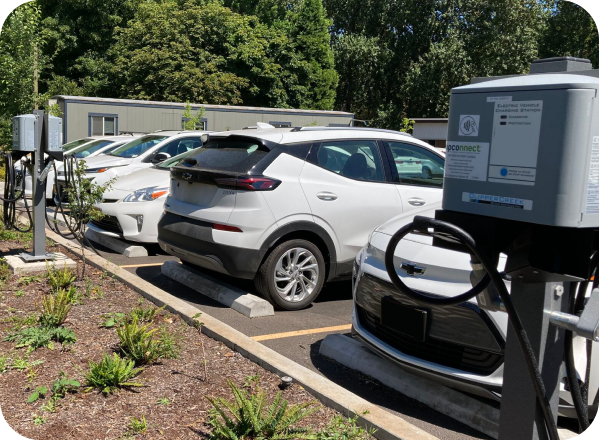
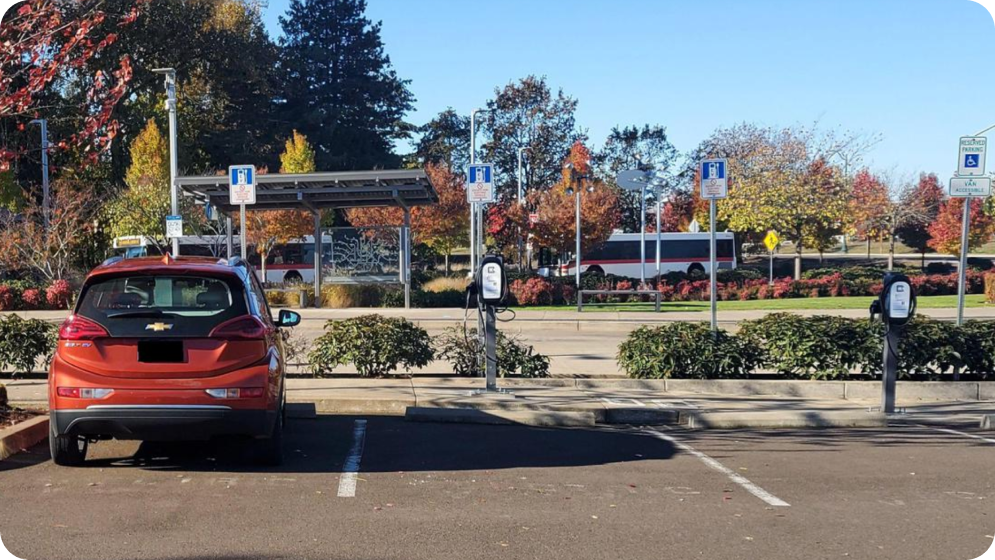
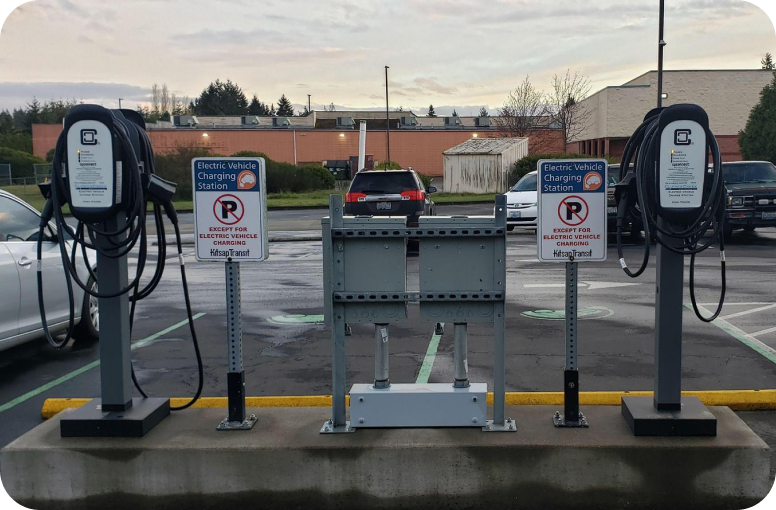
The chargers go in, and within a week the questions start. Who’s allowed to use these? Is that space reserved now? Am I paying for someone else’s car? Why is my usual spot behind a fence?Almost none of that confusion is about technology. It’s about the rules, and it’s avoidable. Residents don’t need to understand how charging works. They need to know what changed, what’s expected of them, and who to ask when something goes wrong. Here’s how to roll it out so the amenity lands as an upgrade instead of a mystery.
Tell People Before the Work Starts, Not After
The first thing most residents experience isn’t charging. It’s construction. Adding chargers to an existing building can mean site work and digging to run conduit underground, as Marketplace reported in December 2024 in a look at how property owners are adding charging for renters. Retrofits are more involved than building it in from the start.
That means lost parking spaces, noise, and equipment in the way for a stretch of time. Send a notice before any of it begins, say roughly how long it’ll last, and be specific about which spaces are affected and where those residents should park instead. Most complaints during installation come from surprise, not inconvenience.
Say Plainly Who Can Use Them
Write down the access rules before the first session, and keep them short enough that people actually read them. Residents should be able to answer four questions without calling the office: can I use these, do I need to sign up, can I leave my car there overnight, and what happens if all of them are busy.
If the chargers are tied to specific parking spots or a particular garage, say so directly. Ambiguity here is what produces notes on windshields.
Related: What Happens to Your Depot Layout When Charging Comes In
Be Clear About How Charging Fits Their Parking Arrangement
This is the question residents ask first and managers answer least clearly. Whatever you’ve decided about how charging relates to their existing parking or utility arrangements, put it in writing at the same time you announce the chargers. People are far more relaxed about a policy they understood up front than one they discover later.
Expect That Most Residents Won’t Use Them Yet
Interest is real and climbing. Marketplace cited National Multifamily Housing Council data showing 34% of tenants want EV chargers in their building, up 7 percentage points from the previous year, while also noting that demand varies a lot by location.
That means you’re communicating with two audiences at once. A small group wants to know how to plug in. A much larger group wants to know why parking spaces were given to something they don’t use. Speak to the second group directly rather than hoping they won’t notice. Explaining that the chargers serve current residents and make the property more competitive for future ones does more good than silence.
Give Residents the Reason, Not Just the Rules
It also helps to say why the property is doing this. Reporting on a survey of more than 1,500 renters and condo owners, Multifamily Executive noted in September 2024 that multifamily residents are 2.5 times more likely to own an EV when charging is available where they live, and that 67% of residents said charging access would prompt them to consider buying one. The same survey found 82% of non-EV drivers didn’t have charging at their building.
Framed that way, the chargers aren’t a perk for a handful of neighbors. They’re infrastructure that widens what residents can choose to drive, which is part of why EV charging for businesses with residential portfolios keeps climbing the priority list.
Related: What Residents Look for in EV Charging at Their Building
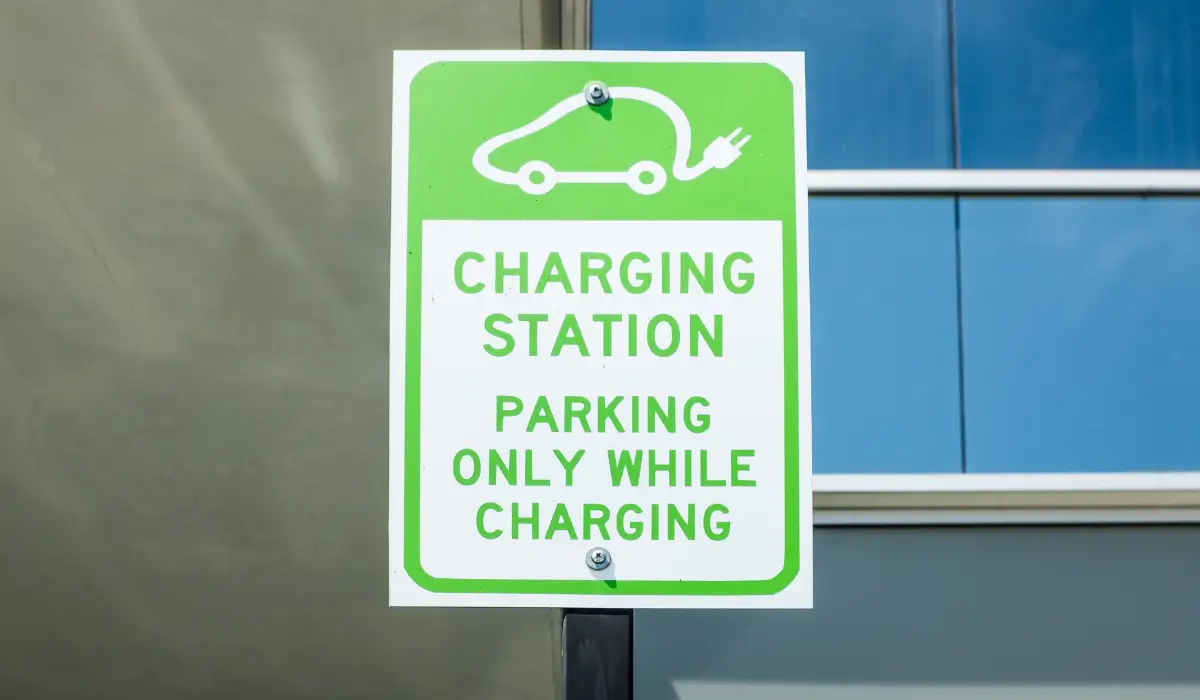
Let Signage Do the Repetitive Explaining
Good signs answer the questions your office would otherwise answer fifty times. Mark which spaces are for charging, make clear that non-charging vehicles shouldn’t park there, and post the basics of how to start a session right at the equipment. Include where to go for help.
Signage is also how you reach residents who never read the newsletter, which is most of them.
Point Everyone to One Place for Help
Confusion turns into frustration when nobody knows who owns the problem. Decide in advance whether a resident with a charging question calls your office or contacts the charging provider, then publish that answer everywhere the chargers are mentioned.
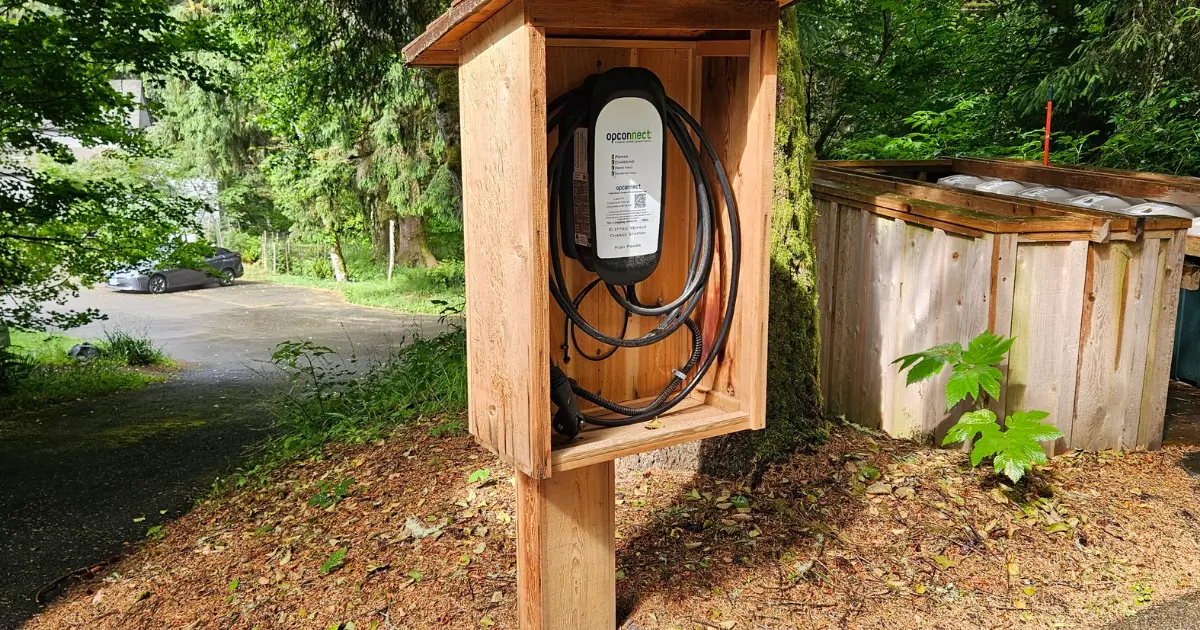
At OpConnect, we back our equipment with 24/7 support and monitoring, so there’s a real answer available when something isn’t working at 10 p.m. Deciding that escalation path before launch spares your staff a lot of calls they can’t resolve.
Use Your Software to Answer Questions for You
Much of what residents ask is information your system already has. This is where EV charging management software earns its keep. Our platform lets your team track usage, manage access, and see real-time status for every charger, so you can tell a resident whether a unit is actually in use rather than guessing. Over time it also shows you whether you need more capacity or whether what you have is sitting idle.
Keep the Equipment Dependable
Nothing undermines a new amenity faster than a charger that doesn’t work. Residents who get turned away once tend to stop trying, and then you’re fielding complaints about an amenity nobody uses.
Uptime comes in two parts, since the chargers and the software behind them are measured separately. Ours run at 98% hardware uptime on the chargers and 99.95% server uptime on the software platform. Our hardware is built in Portland, Oregon, and we design, install, support, and maintain it, so there’s one team accountable when something needs attention.
Related: How EV Charging Fits Into a Property Amenity Strategy
Clarity Is the Whole Job
Introducing charging well isn’t complicated. Tell residents before the work starts, say who can use it and how it fits their parking, explain why you’re doing it, put the rules on a sign, and give everyone one place to go for help. Do that and the questions mostly stop on their own.
If you’re planning multifamily charging at your property and thinking through the resident side of a commercial EV charging installation, our team at OpConnect is happy to talk it through. No pressure either way, just a useful conversation if you want one.
Sources & Further Reading:
- Marketplace — More Renters Want to Charge EVs at Home. Some Landlords Want to Help Them Do It.: https://www.marketplace.org/story/2024/12/03/ev-chargers-apartment-renters-electric-vehicle-construction-plug
- Multifamily Executive — Multifamily Residents Are 2.5 Times More Likely to Own an EV If They Can Charge at Home: https://www.multifamilyexecutive.com/property-management/apartment-trends/multifamily-residents-are-2-5-times-more-likely-to-own-an-ev-if-they-can-charge-at-home_o