
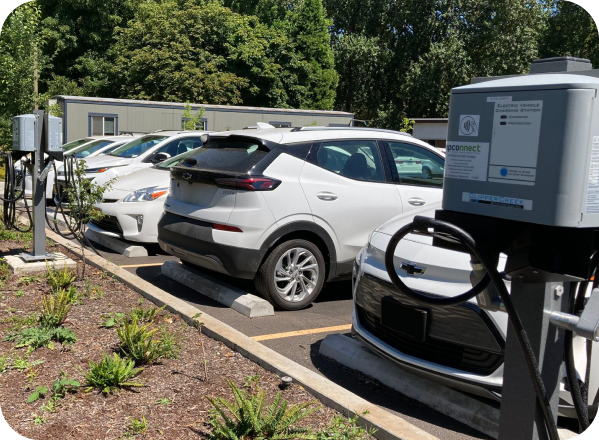
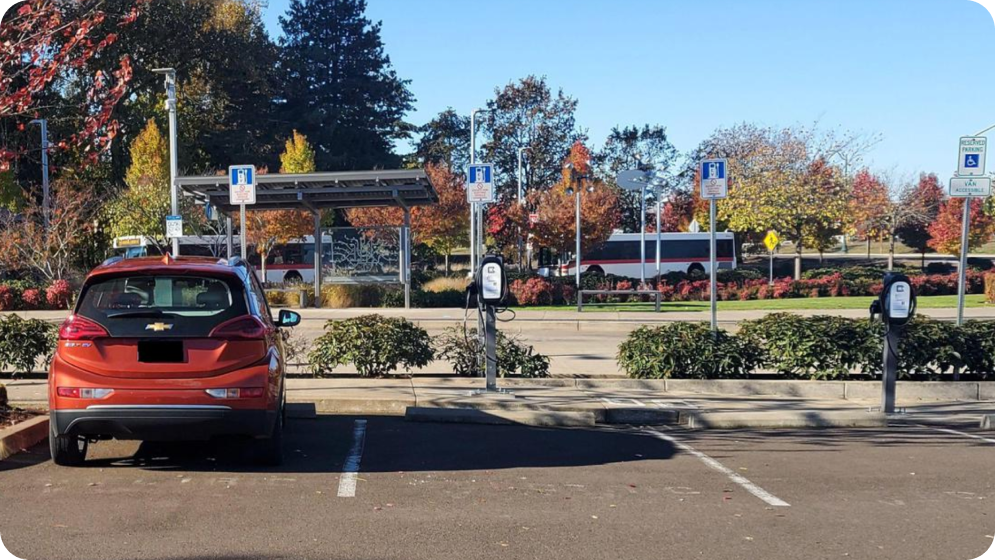
Workplace charging starts as a popular benefit. Then a second employee buys an EV, and a third, and suddenly two chargers are serving five drivers who all arrive at 8 a.m. What began as a perk turns into a standing item in your inbox.
The equipment isn’t usually the problem. The missing piece is a clear access policy, written down before anyone has to guess. Here’s how to set one up so your chargers stay a benefit instead of a source of friction.
Decide Who Each Charger Is For
Before you write any rules, get specific about who each unit serves. The Department of Energy’s Federal Workplace Charging Program Guide, published in August 2025, puts it plainly: each unit should have a clear access policy, which may cover employee personal vehicles, fleet vehicles, and public access.
That distinction matters most at mixed sites. If your organization runs EV fleet charging in the same lot where employees park, decide up front which units are reserved for operations and which are open to staff. A fleet vehicle that can’t charge overnight is a missed route the next morning, and that’s a different category of problem than an inconvenienced commuter.
Plan for More Drivers Than Chargers
The DOE guide calls this oversubscription, which it defines as having too few units to serve the number of EVs seeking a charge. It’s the root of nearly every workplace charging dispute, and it’s predictable. EV adoption among your staff will keep climbing whether or not your charger count does.
The guide suggests a few ways to handle it: create a waitlist, cap how many days per week each vehicle can use a unit (it offers three as an example), or ask drivers to free up a unit at a set point in the day so someone else gets a turn. Any of these beats the default, which is whoever arrives earliest wins and everyone else grumbles.
Pick one approach and name it. Employees tolerate limits far better than they tolerate ambiguity.
Write It Down Before the Chargers Go Live
The best time to publish your policy is before the first session, not after the first complaint. Put it somewhere people actually look, like your intranet or a new-hire packet, and say plainly who can charge, when, for how long, and what to do when every unit is busy.
If your policy will change as you add capacity, say that too. Knowing a rule is temporary makes it much easier to accept.
Related: How to Prepare Your Team to Use New Charging Equipment
Let Signage Carry Some of the Load
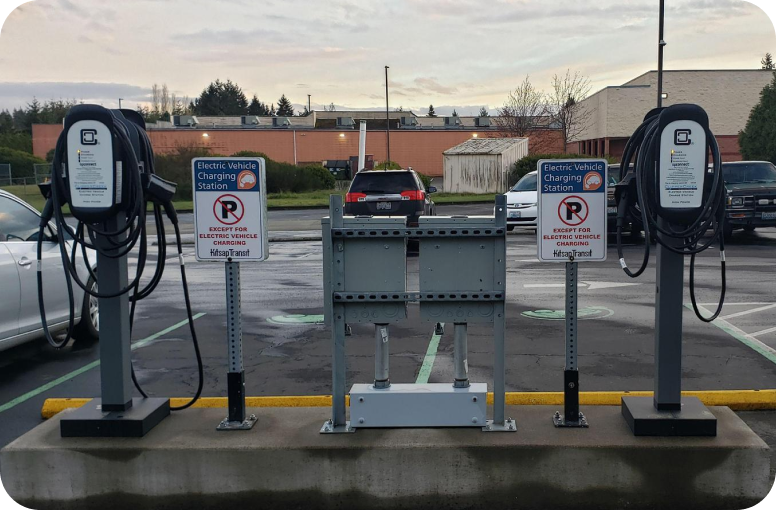
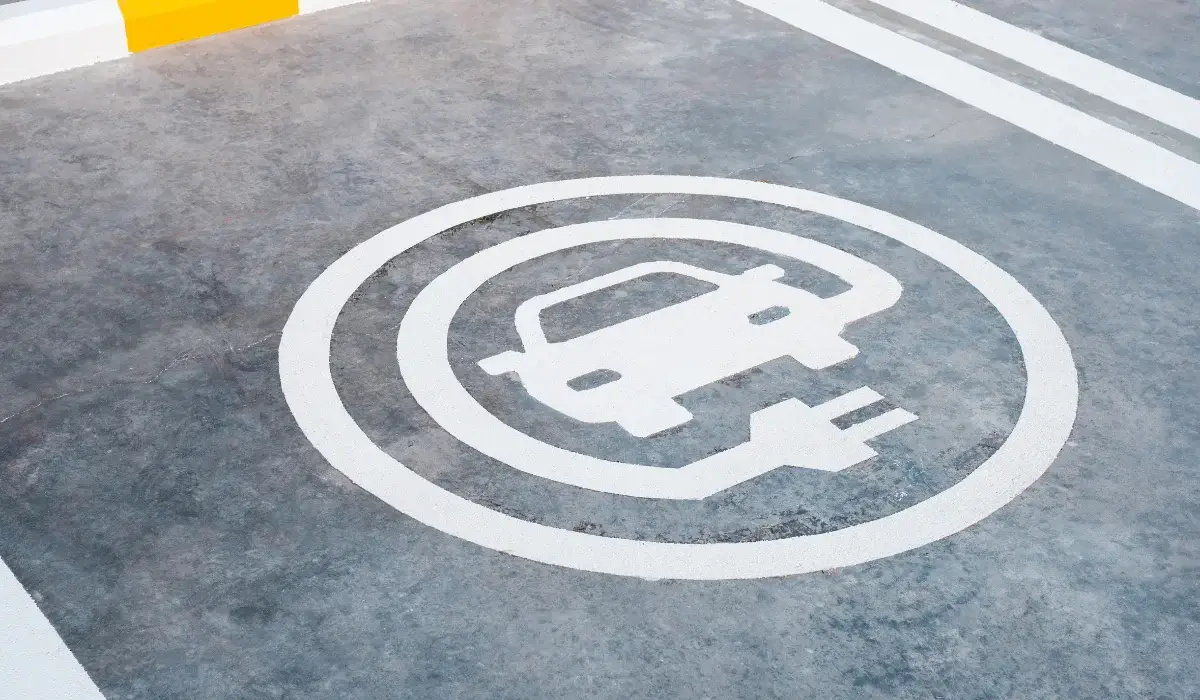
Good signs prevent most parking disputes without anyone having to intervene. As the DOE guide notes, signage helps both users and nonusers identify where EV drivers should park and where non-EV drivers aren’t permitted to park. That second half is the one people forget, and it’s the one that causes the loudest arguments.
Use Access Control Instead of the Honor System
Policies work better when the equipment enforces them. Writing for Facilities Management Insights in August 2025, electrical engineer Darren Dinkelman notes that access is sometimes tied to employee badges or managed through mobile apps, which adds a layer of control and flexibility.
This takes your facilities team out of the role of referee. The system decides who gets access, and nobody has to have an awkward conversation in the parking lot.
Give People a Way to Say “I’m Done”
A surprising share of workplace charging friction is just a communication gap. Someone finished hours ago and doesn’t know anyone’s waiting. The DOE guide recommends setting up a notification system, whether that’s an email list, a vendor’s tools, or something else, so you can run a waitlist and let people know when a unit has freed up.
It’s a small piece of the process that removes a lot of low-grade resentment.
Related: How to Make the Internal Case for Workplace EV Charging

Bring HR and Operations In Early
Chargers occupy parking spaces, and parking is political. Dinkelman makes the point directly: EV chargers take up valuable parking real estate, so coordination with operations and HR is essential. Those are the teams who’ll field the questions, so they should help shape the answers rather than hear about the policy at the same time as everyone else.
This is worth sorting out during planning for your commercial EV charging installation, while the layout is still on paper.
Watch the Data and Adjust
A policy written once and never revisited will drift out of step with your workforce. Dinkelman recommends that building owners use monitoring tools to track power usage and charger utilization.
This is where EV charging management software earns its place. At OpConnect, our platform lets you track usage, manage access, and pull the reports your team needs, with real-time visibility into every charger across every site. When you can see which units are saturated and which sit idle, you are adjusting your policy based on what’s actually happening rather than on whoever complained most recently.
Keep the Equipment Reliable
No access policy survives an out-of-service charger. When a unit goes down, the drivers who were counting on it end up competing for the ones that still work, and your carefully balanced rotation falls apart in a morning.
That’s why reliability sits at the center of what we do. Our hardware is built in Portland, Oregon; and, because we design, install, support, and maintain it with 24/7 support and monitoring, problems get addressed before they turn into a queue in your parking lot.
Related: How EV Charging Fits Into a Property Amenity Strategy

Clear Rules, Fewer Conversations
Workplace peace doesn’t come from having enough chargers, because most organizations won’t for a while yet. It comes from everyone knowing the rules and trusting that they apply evenly. Decide who each unit serves, plan for more drivers than spots, put it in writing, and let your equipment and software handle the enforcement.
If you’re working out an access policy or thinking about EV charging for businesses at your site, our team at OpConnect is happy to talk through what’s worked for other workplaces. No pressure either way, just a useful conversation if you want one.
Sources & Further Reading:
- U.S. Department of Energy — Federal Workplace Charging Program Guide (August 2025): https://www.energy.gov/sites/default/files/2025-08/federal-workplace-charging-program-guide_08-2025.pdf
- Facilities Management Insights — Planning Electric Vehicle Charging for Employee Parking: https://www.facilitiesnet.com/facilitiesmanagement/article/Planning-Electric-Vehicle-Charging-for-Employee-Parking–20642