
A district’s first electric school bus charging project isn’t really a purchase. It’s a planning exercise. Long before any charger gets mounted, there are routes to map, a bus yard to assess, a utility to bring into the conversation, and a lot of people who need a say. The districts that get this right treat it as a project from day one. Here’s what they tend to think through first.
Start Earlier Than You’d Expect
The most common surprise for first-time districts is how long the infrastructure side takes. As the World Resources Institute’s Electric School Bus Initiative points out, districts often underestimate the time it takes to upgrade a facility and install the charging it needs, so the guidance is to start planning for charging as early as possible, right alongside the decisions about the buses themselves.
The power side of the project, in particular, tends to take far longer than the buses do, which is exactly why it shouldn’t wait.
Your Bus Routes Come First
Charging gets designed around how your buses actually run, so the routes are the natural starting point. Districts look at daily mileage, the split between morning and afternoon runs, the midday gap when buses sit idle, and how long they rest at the yard overnight.
The Joint Office of Energy and Transportation offers a route analysis tool built to help districts translate their unique routes into realistic energy and charging need projections. Getting that picture down first means the charging plan fits the operation, instead of the other way around.
Related: How to Phase Your Charging Buildout as Your Fleet Grows
Your Bus Yard Is Part of the Project
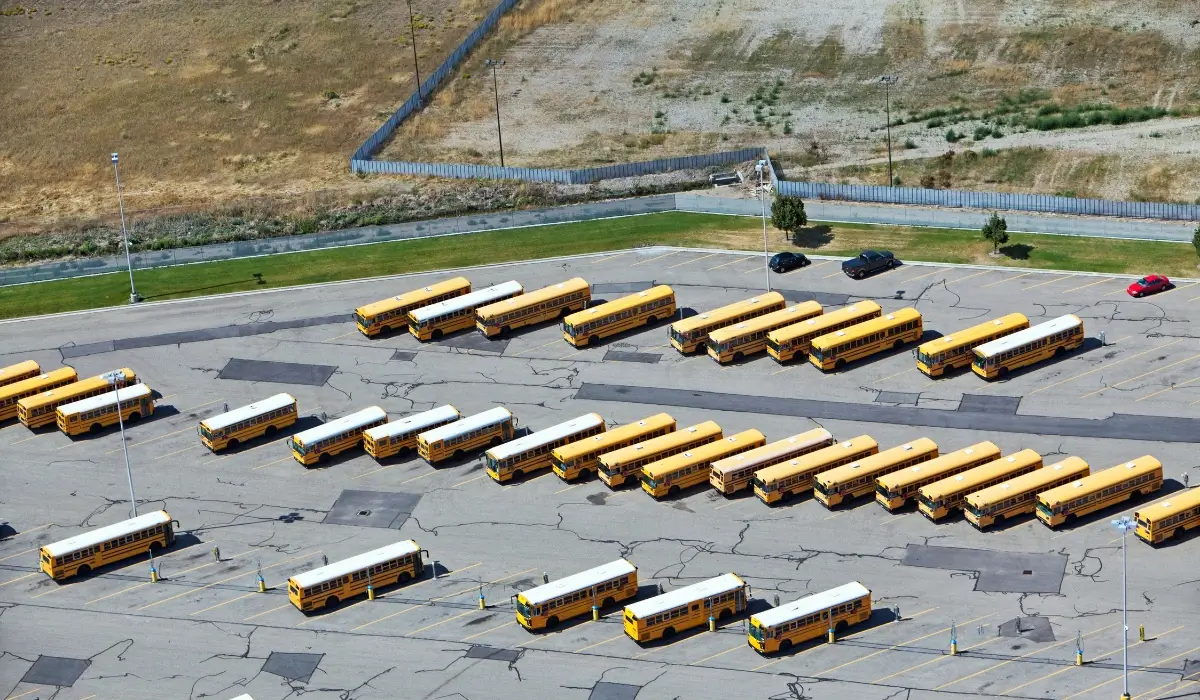
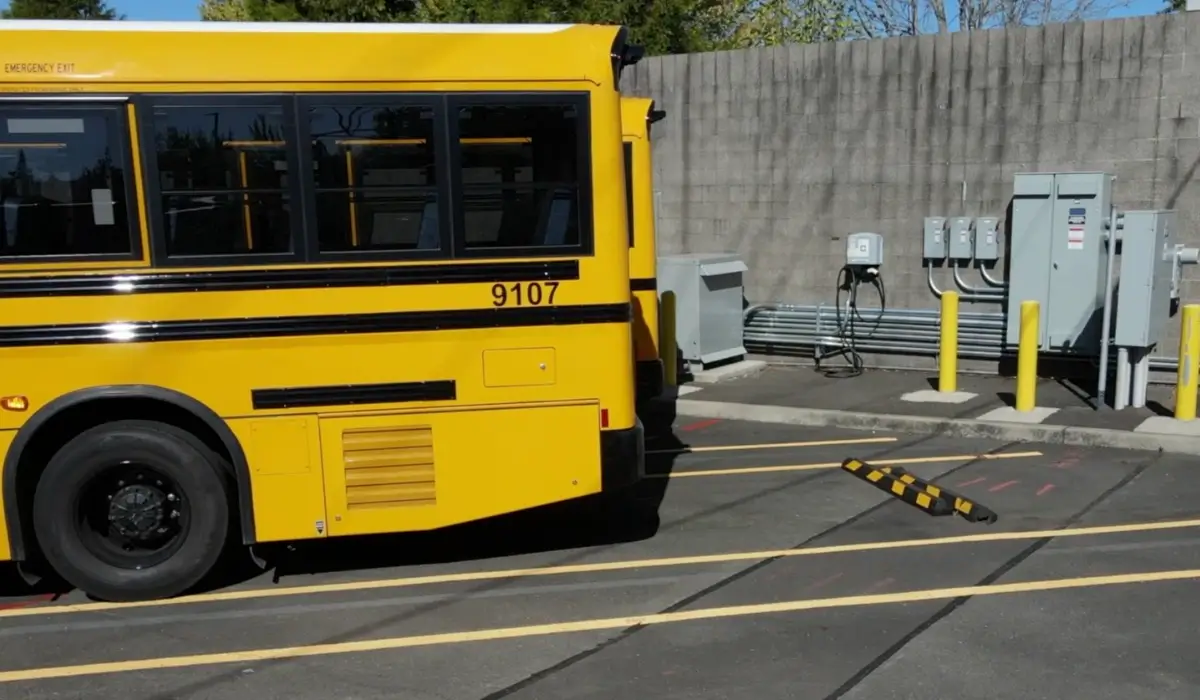
Where your buses park is as much a part of the project as the buses themselves. A first project means taking stock of the yard: the layout, parking, and power already available on site. That same Joint Office resource includes a planning form to help districts organize their site details to share with their utility and charging partners. This keeps everyone working from the same facts.
It’s also the moment to think ahead. Planning the site so it can be expanded later saves resources every time the fleet grows.
Bring In Your Utility Early
The utility is central to any charging project, and the relationship works best when it starts early. The Electric School Bus Initiative recommends setting up recurring meetings as well as a site visit with your utility. Also, it’s important to know who your account representative is from the outset. Because adding power to a site can take months, an early conversation keeps the electrical side from becoming the thing that holds everything else up.
Related: What to Gather Before Your First Fleet Charging Conversation

It Takes a Whole Team
A first project reaches well beyond the transportation office. Districts typically pull in the transportation director, the facilities manager, energy and operations staff, drivers and maintenance crews, and a bus contractor if they use one.
With that many people involved, naming who actually owns the project keeps it from stalling. Deciding early who’s accountable for the charging day to day, is one of the quieter but more important calls a district makes.
Plan for Your Climate, and for Growth
Two more things belong on the list. Local weather matters, since both cold and hot conditions affect electric buses, districts plan for the climate they actually operate in. Most districts start with just a handful of buses, so it’s worth designing that first project to grow. This way, the second and third waves build on the first, rather than needing to begin again.
Related: Who Needs to Be in the Room for a Fleet Charging Decision
Where OpConnect Fits In
This is the kind of project that goes better with one accountable partner. We design, install, support, and maintain the charging. Meaning, a district’s first project has a single team carrying it from the yard assessment through daily operation using hardware built in Portland, Oregon, backed by 24/7 support, and a stated 99.95% charger uptime.
Our EV charging management software gives transportation staff real-time visibility into every charger, so they know the fleet is ready for the morning run. Because we handle the commercial EV charging installation end to end, your team isn’t left stitching together vendors on top of everything else a first project already asks of them.
Start With a Plan, Not a Purchase
A district’s first electric bus charging project goes best when it begins as a plan: routes first, the yard and the utility early, the right people at the table, and one partner to carry it through. Reliable EV fleet charging for a school district comes down to that groundwork.
When you’re ready to map out your first project, we’re built to help you get it right.
Sources & Further Reading:
- World Resources Institute, Electric School Bus Initiative — Step 2.2: Develop Charging Infrastructure Plan: https://electricschoolbusinitiative.org/step-22-develop-charging-infrastructure-plan
- Joint Office of Energy and Transportation — Technical Assistance and Resources for School Districts: https://driveelectric.gov/school-districts